Skip to main content


 01274 442076


PCN Governance and Accountability: How to Build an Effective Board
|
Getting your Trinity Audio player ready...
|
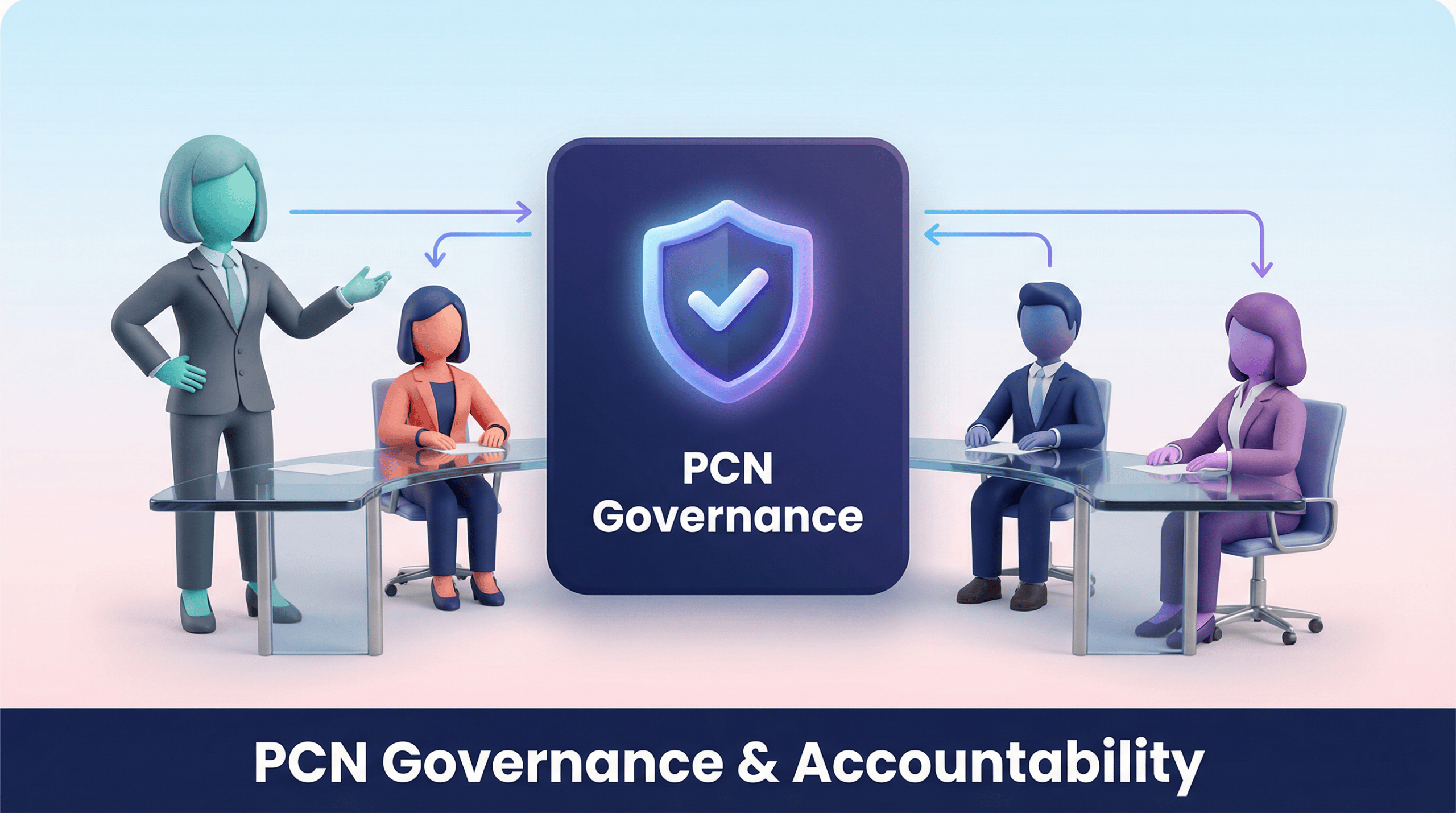
PCN governance is the foundation on which effective networks are built. Without a clear structure defining who is accountable, how decisions are made, and how funding is managed, even well-resourced PCNs struggle to deliver consistently.
- What is PCN governance?
- What are the key components of PCN governance?
- Network Agreement & Clinical Director
- PCN Board Structure
- PCN Accountability Model
Key Takeaways
- Clear governance reduces risk by defining roles to prevent delays and financial issues.
- Strong boards drive performance through improved decision-making and strategic oversight.
- Funding alignment: DES and ARRS require clear oversight.
- Clinical governance within PCNs drives quality, safety, and continuous improvement.
What is PCN governance?
PCN governance defines how decisions are made, who is accountable, and how performance is monitored. PCNs are designed by NHS England to improve population health outcomes through shared delivery. Without a clear structure, networks often struggle with “diffusion of responsibility,” where a lack of clear ownership leads to stalled projects or financial risk.
What are the key components of PCN governance?
Effective PCN governance relies on several interconnected components defining roles, responsibilities, and operational procedures.
| PCN governance components | Description | Key Function |
| Network Agreement | The foundational legal document detailing collaboration terms, responsibilities, and financial arrangements. | Establishes clear expectations and an operational framework. |
| Clinical Director | Provides strategic and clinical leadership, shaping the network’s vision and driving clinical priorities. | Guides the PCN’s strategic direction and fosters engagement. |
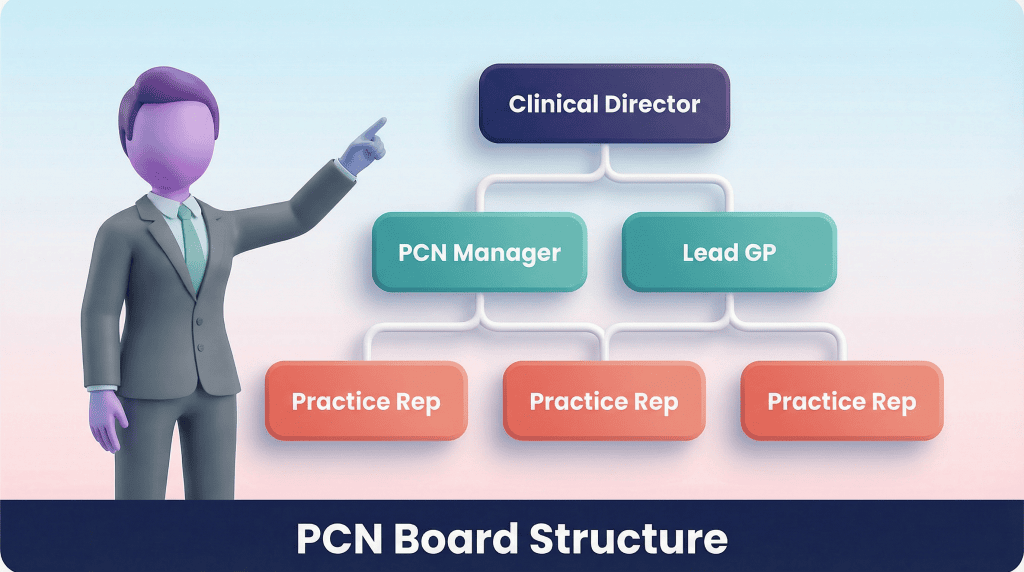
| PCN Board Structure | Comprises representatives from member practices for strategic oversight and decision-making. | Oversees strategic direction, performance, and resource allocation. |
| Accountability Model | The systems ensuring financial and operational responsibility, including reporting structures and performance metrics. | Ensures compliance, addresses issues, and tracks performance. |
Network Agreement & Clinical Director
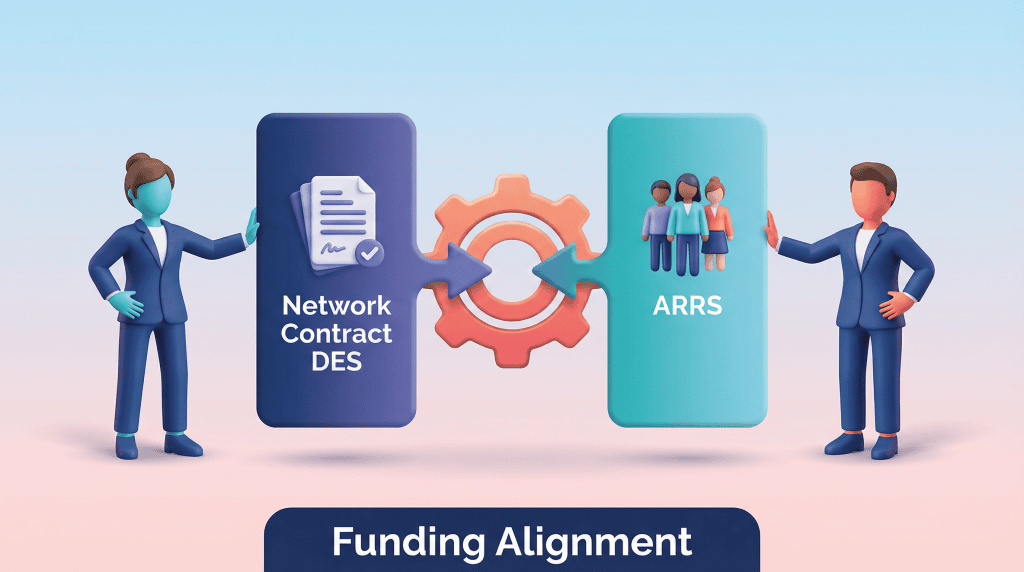
The Network Agreement defines collaboration, funding, and decision-making. The Clinical Director provides strategic leadership, shaping the network’s vision and driving clinical priorities.

Need support turning your PCN governance model into practical delivery?
Discuss your governance prioritiesPCN Board Structure
A robust PCN board structure comprises representatives from each member practice. This board is the primary decision-making forum, overseeing strategic direction and resource allocation.
PCN Accountability Model
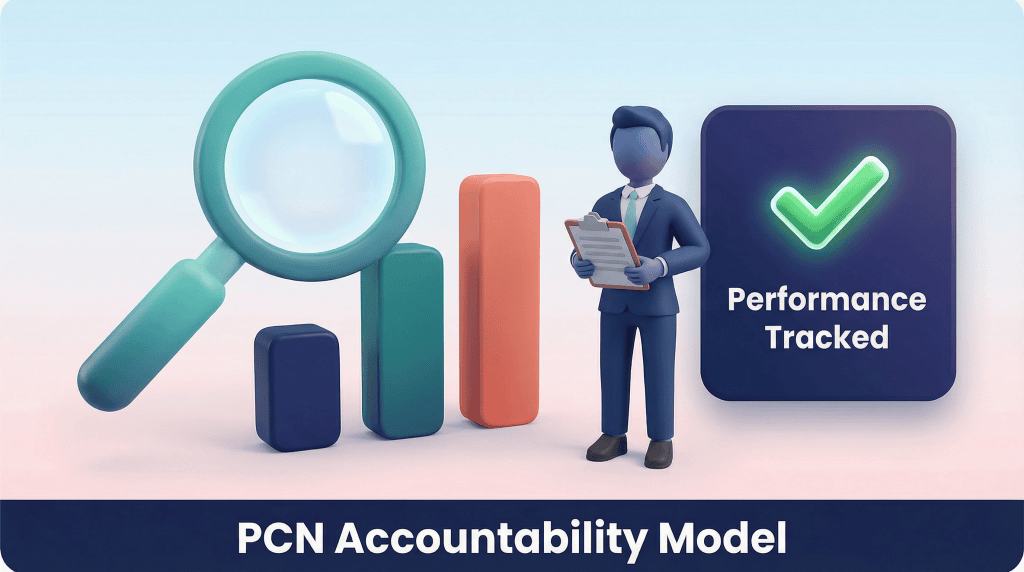
An effective PCN accountability model ensures the network is responsible for its financial and operational performance. This model includes clear reporting structures and mechanisms for addressing issues. In this context, what is clinical governance? It is the system through which NHS organisations are accountable for continuously improving service quality. For a comprehensive understanding, refer to our detailed article on the Clinical Governance Framework.
How to build an effective board
Building an effective board requires a structured approach addressing PCN leadership roles, decision-making, financial alignment, and clinical oversight.
1. Define clear PCN leadership roles
Clearly delineate the PCN leadership roles of the Clinical Director and PCN Manager. The role of a PCN Manager is particularly vital in operationalising board decisions.
2. Establish PCN decision-making processes
Implement robust PCN decision-making processes, including clear voting structures and conflict resolution mechanisms. Regular board meetings are essential for consistent oversight.
3. Align governance with funding
Integrate governance with financial planning, particularly concerning the Network Contract DES and the Additional Roles Reimbursement Scheme (ARRS). Effective financial governance ensures transparent budget ownership. Boards must actively monitor budgets and manage liabilities. Strategic PCN workforce planning, optimising available resources, is essential for sustainable service delivery.
4. Embed clinical governance
Ensure clinical governance principles are embedded in all operational aspects. This includes regular medicines optimisation reviews, audit cycles, and maintaining comprehensive risk registers. The role of Clinical Pharmacists in PCNs is crucial in this area, focusing on patient safety and maintaining high clinical effectiveness.
5. Create transparency and accountability
Develop clear reporting structures and performance tracking systems to build trust among member practices and stakeholders.
Common challenges
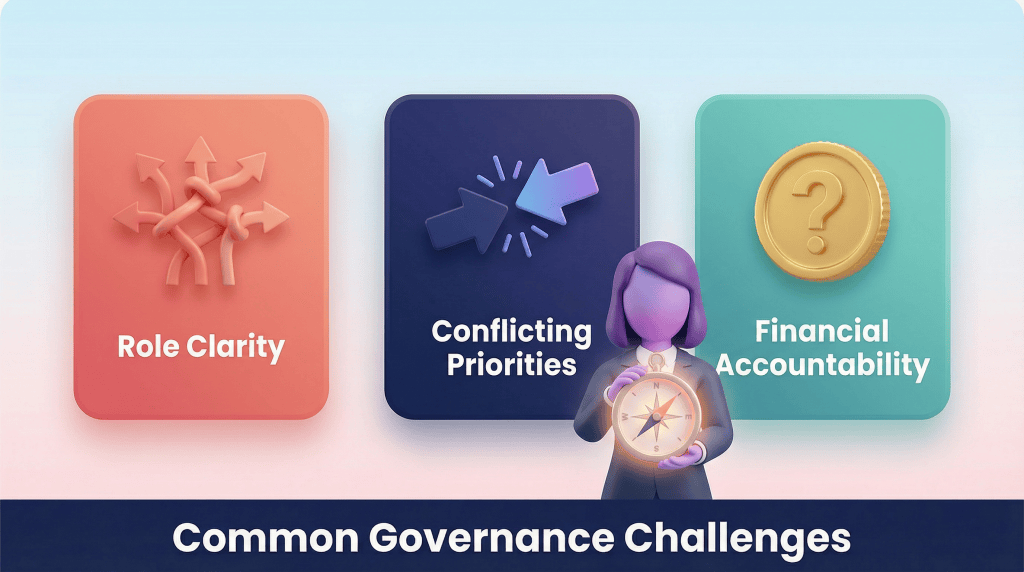
Networks often face role clarity, conflicting priorities, and financial accountability challenges. Overcoming these requires a culture of “network first” thinking, where collective success is viewed as a win for the individual practice.
Expert insight from Adeem Azhar, qualified Clinical Pharmacist and CEO
Strong governance is often the difference between a PCN that delivers consistently and one that struggles to move forward.
Adeem Azhar, MPharm, IPres
Co-Founder and Chief Executive Officer – Core Prescribing Solutions
Qualified Clinical Pharmacist
FAQs
Looking for support?
If your PCN wants clearer governance, better PCN workforce planning control, and stronger delivery, Core Prescribing Solutions offers tailored support to help you establish robust frameworks and achieve your population health goals.