Skip to main content


 01274 442076


The Future of Primary Care: What NHS Integration Plans Mean in Practice
|
Getting your Trinity Audio player ready...
|
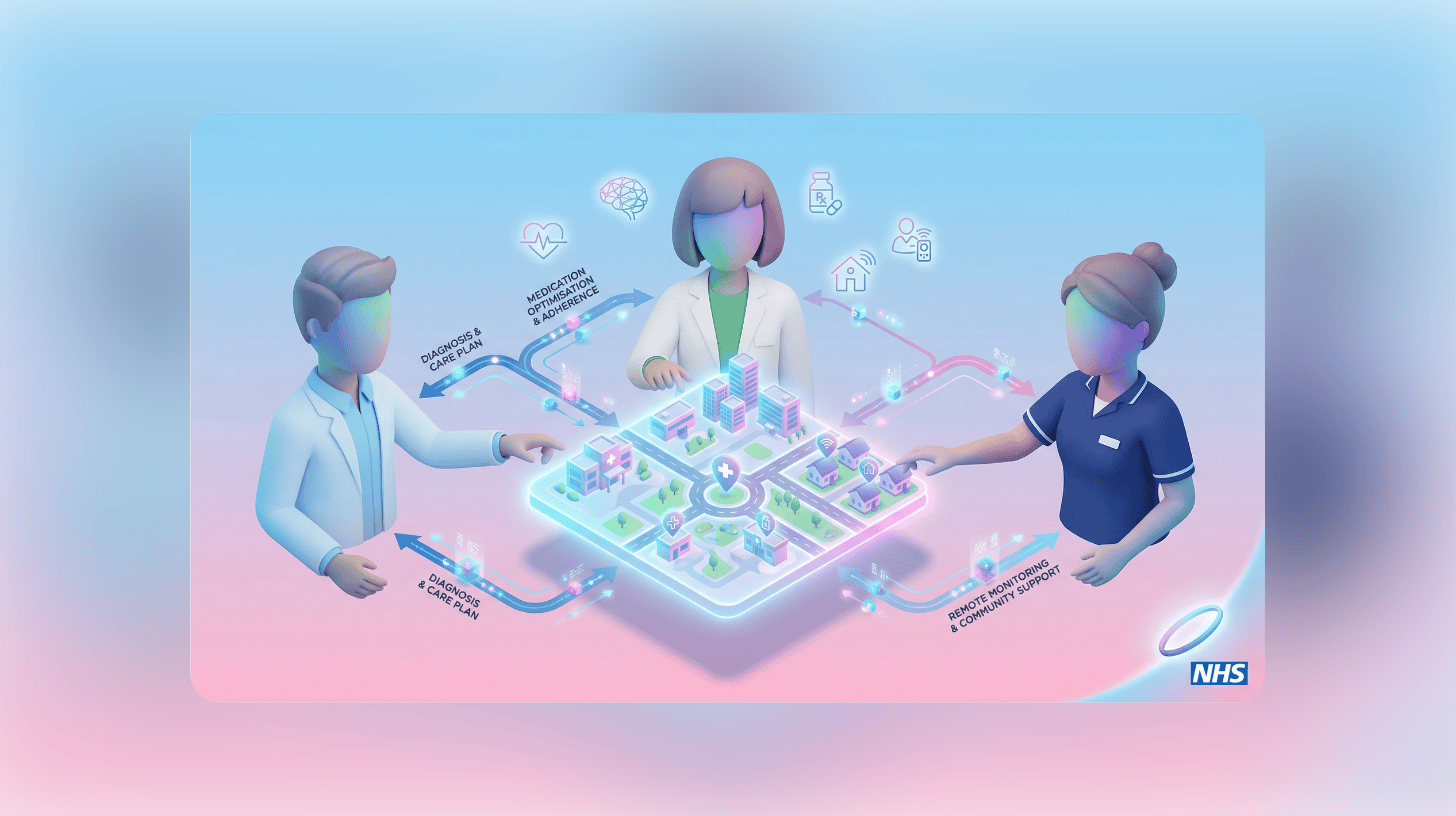
The future of primary care is neighbourhood-based, integration-led, and already underway. With the Neighbourhood Health Framework published in March 2026 and the NHS 10 Year Health Plan setting the direction, the shift from hospital to community is accelerating. For Primary Care Networks (PCNs) and practice managers, this means evolving from standalone delivery units into the engine room of integrated neighbourhood care.
- What is the future of primary care in England?
- How are NHS integration plans reshaping the future of primary care?.
- What does primary care reform in England mean for PCNs?
- What does primary care innovation actually look like?
- What could slow neighbourhood primary care from working?
Key Takeaways
- System-wide shift: NHS integration plans are moving care out of hospitals and into neighbourhood-based teams.
- Evolving networks: PCNs are transitioning into the delivery backbone of integrated neighbourhood care.
- Workforce integration: Multidisciplinary teams, including clinical pharmacy professionals, will be central to managing complex cohorts.
- System design: Primary care innovation is now focused on infrastructure and system design rather than just individual digital tools.
What is the future of primary care in England?
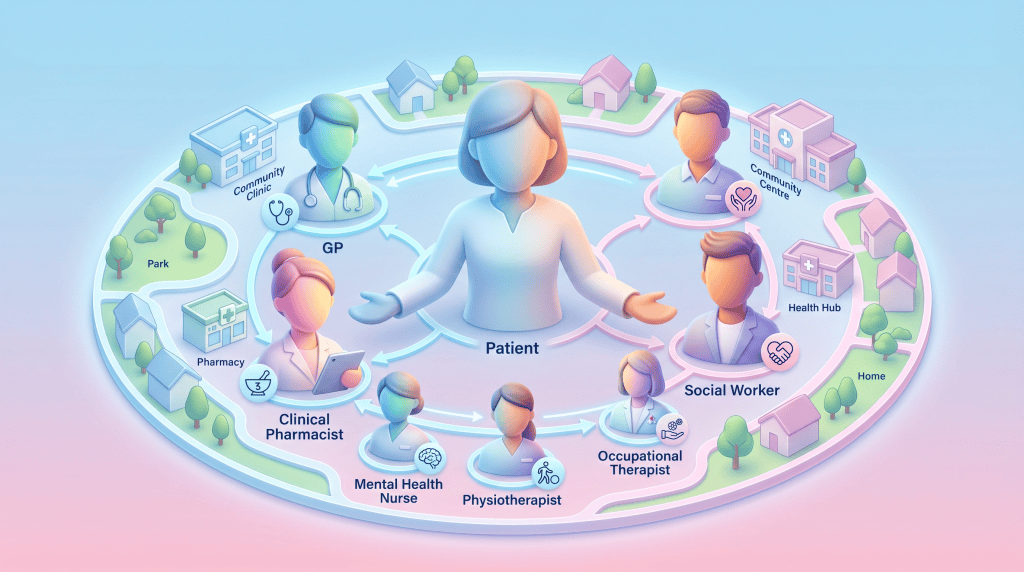
The future of primary care in England is moving away from isolated GP-led services towards a connected, community-based model. At the centre of this shift is the neighbourhood health model NHS, where care is organised around local populations. This approach brings together general practice, community services, clinical pharmacy, and social care to deliver coordinated support.
For patients, this means faster access and better continuity. For providers, it means working as part of a wider system rather than operating independently.
Need clinical pharmacy capacity for integrated neighbourhood care?
Discuss integrated workforce supportHow are NHS integration plans reshaping the future of primary care?
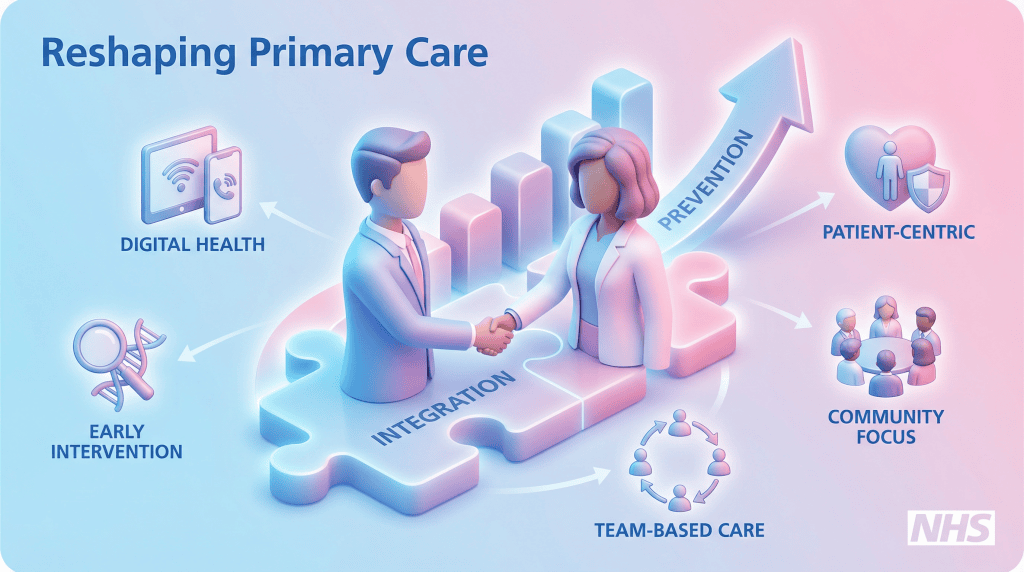
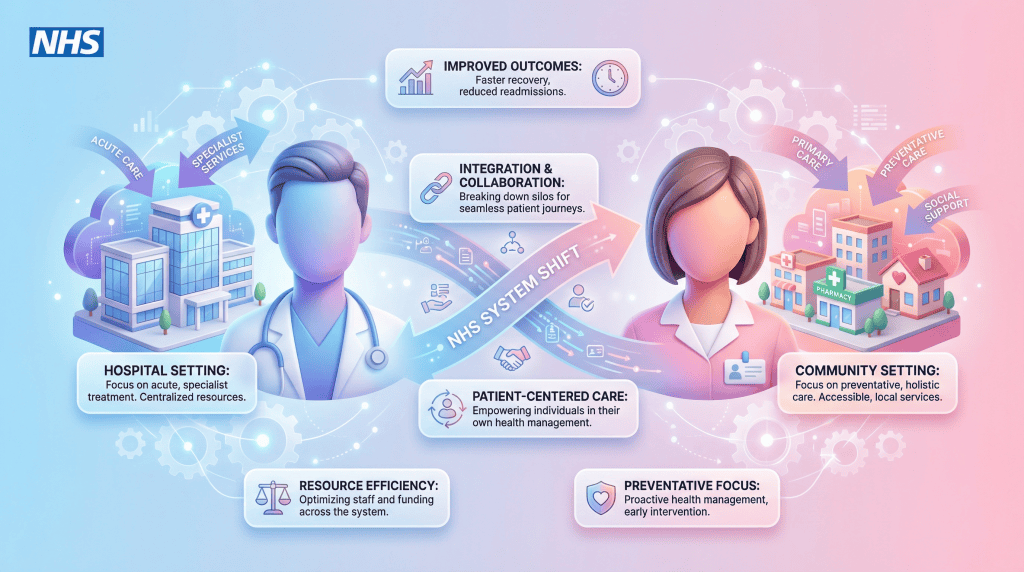
NHS integration plans are driving one of the biggest structural changes in primary care in decades. The direction is clear: more care delivered outside hospitals, greater collaboration, and an increased focus on prevention. These changes are closely linked to the ambitions set out in the NHS 10 Year Health Plan.
The aim is to simplify how services work together, reducing duplication and improving communication. Primary care is no longer just the first point of contact, but a central part of a wider, integrated system.
What does primary care reform in England mean for PCNs?
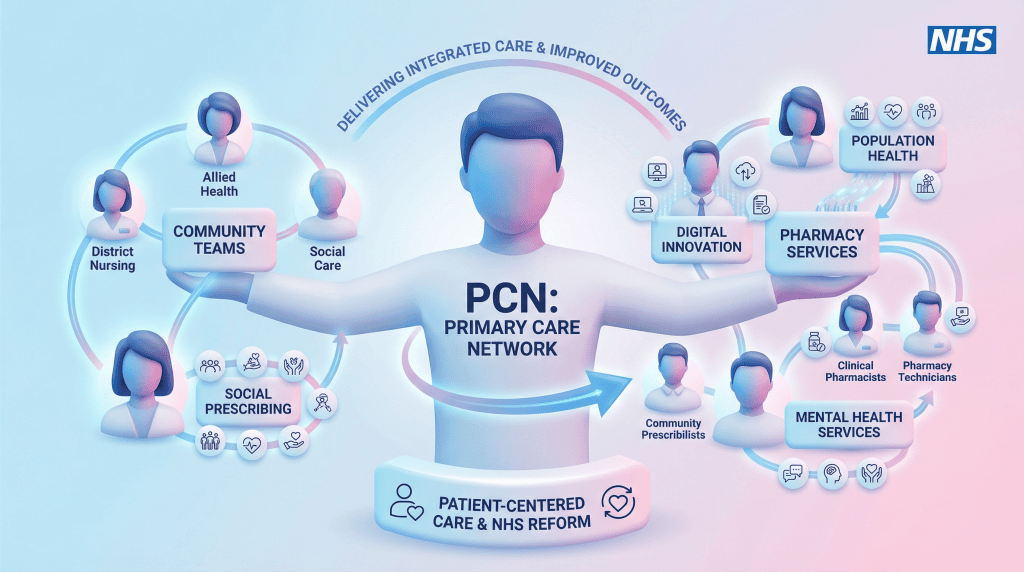
Primary care reform in England is changing the role of Primary Care Networks. PCNs are becoming a key part of how care is organised at the neighbourhood level. This includes supporting integrated working across organisations and delivering services at scale.
The focus is shifting from individual practices to collective responsibility for patient outcomes. Many of these changes are already taking shape through integrated neighbourhood teams, bringing professionals together to deliver coordinated care.
What does primary care innovation actually look like?
Primary care innovation is often associated with digital tools, but the biggest changes are happening at a system level. Innovation is now focused on new models of care delivery, better use of workforce across teams, and improving access through smarter workflows.
Technology still plays a role, but the real impact comes from how services are designed and connected. Innovation is less about new tools and more about using existing resources effectively.
What could slow neighbourhood primary care from working?
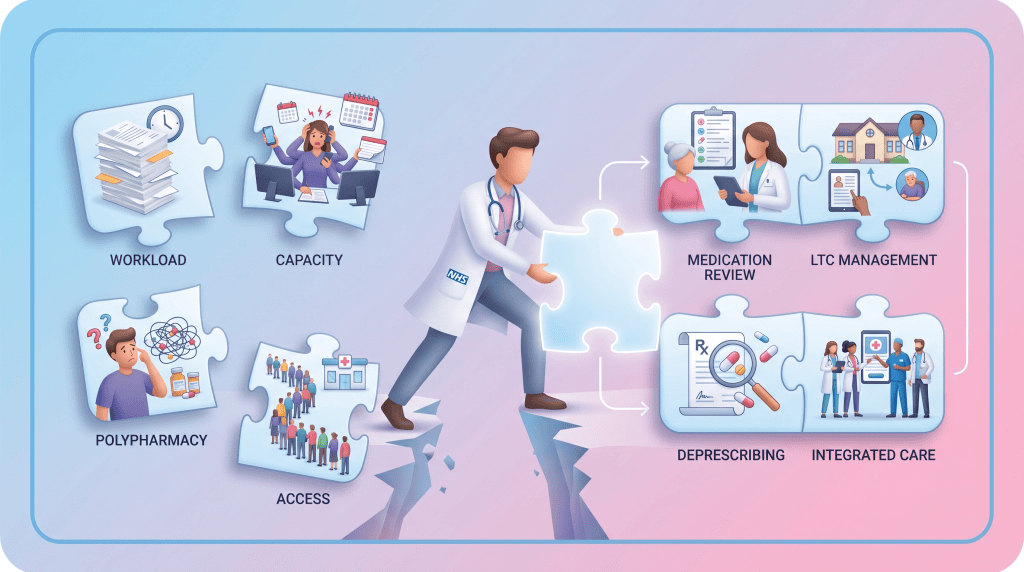
Challenges include workforce pressures, variability between regions, capacity constraints within general practice, and the complexity of coordinating multiple organisations.
Without the right infrastructure, there is a risk that integration becomes a policy ambition rather than a practical reality. Multidisciplinary teams in primary care, particularly clinical pharmacy teams, are essential to bridging this gap by managing long-term conditions and reducing GP workload.
Expert insight from Adeem Azhar, qualified Clinical Pharmacist and CEO
“Primary care is at the centre of NHS transformation. The shift towards neighbourhood working and integrated care is not just about structure, it is about improving outcomes for patients through better collaboration and smarter use of clinical expertise.”
Adeem Azhar, MPharm, IPres
Co-Founder and Chief Executive Officer – Core Prescribing Solutions
Qualified Clinical Pharmacist
FAQs
Looking for support with your PCN clinical pharmacy workforce?
If your PCN is navigating these changes, our clinical pharmacy teams are already working within integrated models. We can help you build a resilient workforce that supports neighbourhood care.