Skip to main content


 01274 442076


Participating in the General Practice Staff Survey: What PCNs Need to Know
|
Getting your Trinity Audio player ready...
|
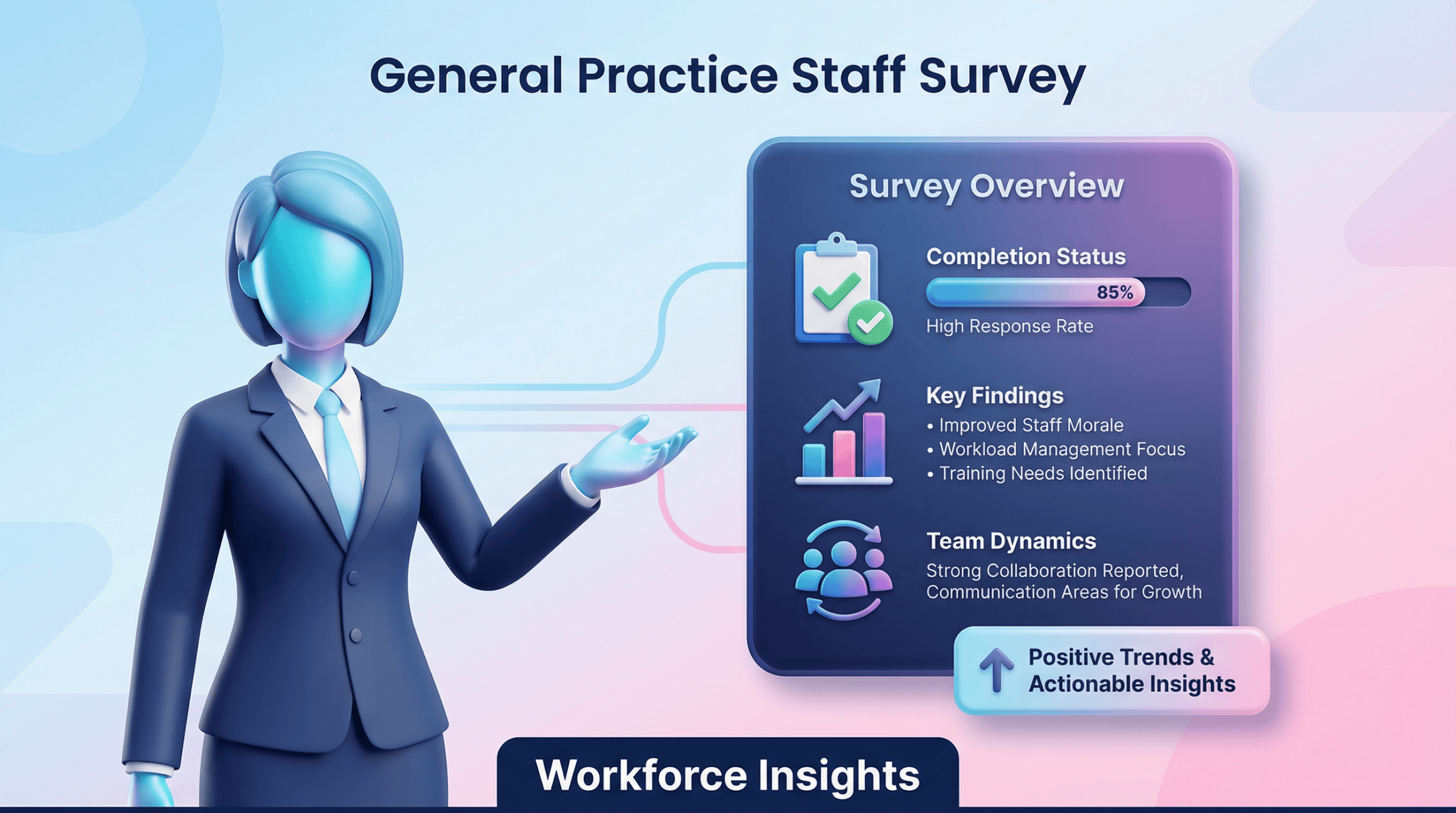
The general practice staff survey is a national NHS initiative designed to capture workforce experience across primary care. For Primary Care Networks (PCNs), participation is not just administrative, it directly influences workforce planning, funding decisions, and operational priorities. According to NHS England, if used properly, survey results give PCNs a clear view of staff pressures, retention risks, and where service models may need to change.
- What is the general practice staff survey?
- Why does the general practice staff survey matter for PCNs?
- How should PCNs prepare for the general practice staff survey?
- What should PCNs do after the staff survey?
- How can clinical pharmacy teams help address survey findings?
Key Takeaways
- Workforce insight: The general practice staff survey highlights burnout, workload, and retention risks across PCNs.
- Strategic impact: Results can influence local workforce planning and national policy decisions.
- Operational value: Data supports targeted improvements in staffing models, including clinical pharmacy teams.
- Participation matters: Low response rates reduce the reliability and usefulness of results.
What is the general practice staff survey?
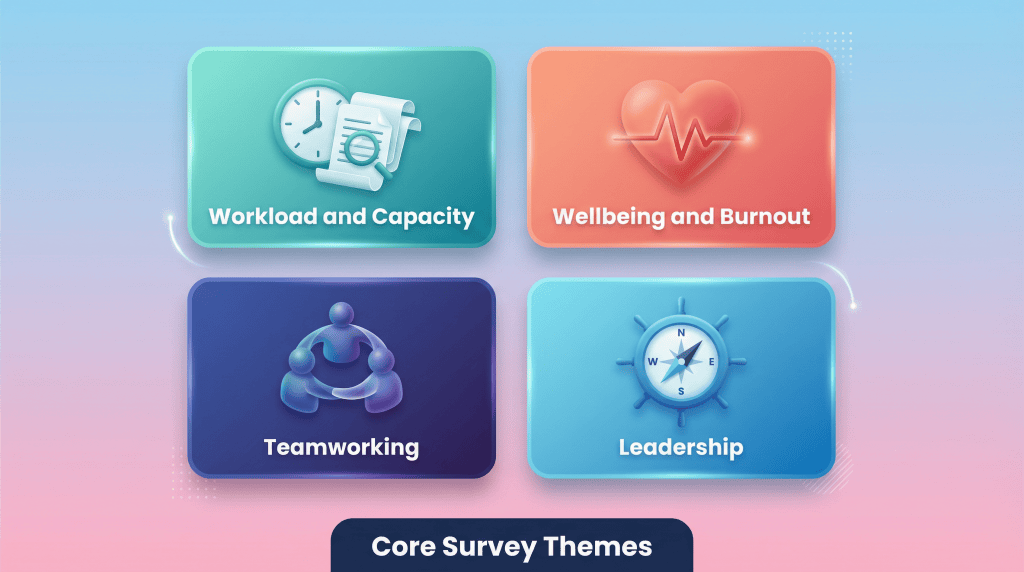
The general practice staff survey is an NHS-led questionnaire that gathers feedback from staff working in general practice, including PCNs. Understanding the workforce experience GP practices face daily is essential for driving meaningful improvements. The survey covers:
- Workload and capacity
- Job satisfaction and morale
- Leadership and communication
- Wellbeing and burnout
Unlike patient surveys, this is purely about staff experience, which is increasingly linked to patient safety and service quality.
Why does the general practice staff survey matter for PCNs?
The staff survey matters because it provides real, measurable data on workforce pressures that directly affect PCN performance. This is especially important as PCNs rely heavily on multidisciplinary teams, including Clinical Pharmacistsand Pharmacy Technicians. The survey helps measure multidisciplinary team effectiveness PCN leaders can then make informed decisions on staffing and resource allocation. By evaluating the workforce experience GP practices provide, networks can proactively address retention issues.
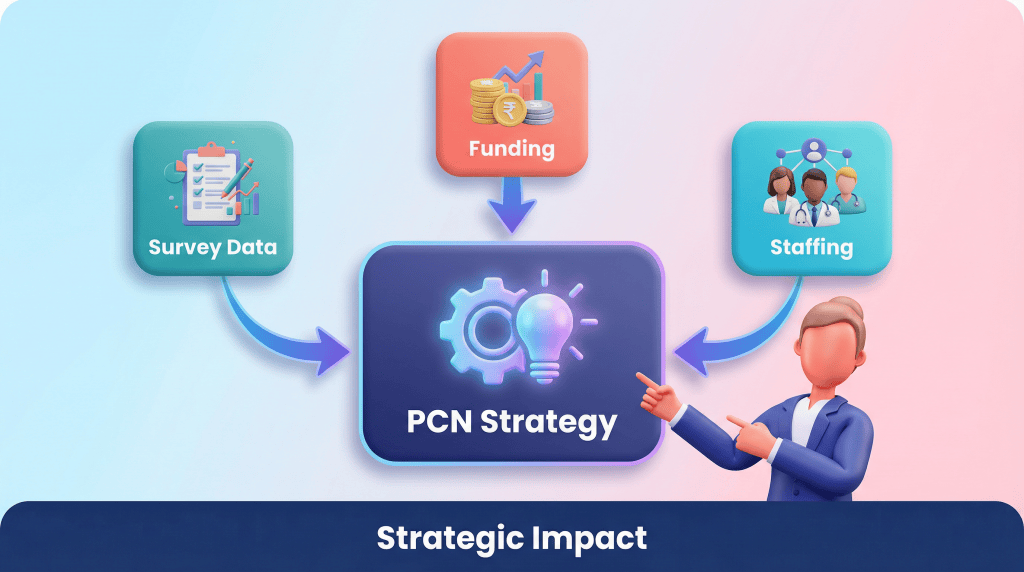
Core Survey Themes and PCN Impact
| Survey Theme | Impact on PCN Operations | Strategic Response |
| Workload & Capacity | Highlights areas where GPs and staff are overstretched. | Integrate ARRS roles to distribute clinical tasks. |
| Wellbeing & Burnout | Identifies retention risks and staff absence trends. | Implement targeted support and flexible working models. |
| Teamworking | Reveals gaps in communication and role integration. | Clarify responsibilities and improve multidisciplinary collaboration. |
| Leadership | Shows staff confidence in management decisions. | Increase transparency and act visibly on feedback. |
How should PCNs prepare for the general practice staff survey?
PCNs should treat the staff survey as a strategic exercise, not a tick-box task. This approach is vital for improving team morale in general practice and ensuring accurate data collection.
Practical steps include:
- Communicate early – Explain why the survey matters and how results will be used. Staff engage more when they see a clear purpose.
- Encourage participation – Use practice managers and clinical leads to drive response rates. Low participation weakens the data.
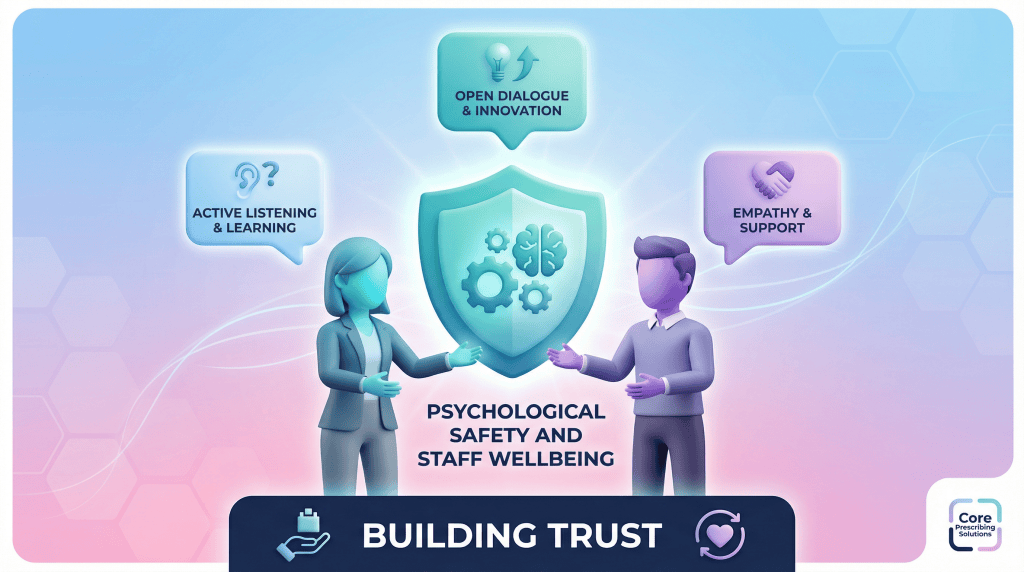
- Create psychological safety – The kind of environment where staff wellbeing primary care NHS teams need is genuinely prioritised. Reinforce anonymity and confidentiality so staff feel safe giving honest feedback.
- Align leadership messaging – Ensure consistent communication across all practices within the PCN.
What should PCNs do after the staff survey?
PCNs should act quickly on results to maintain trust and improve outcomes.
Key steps include:
- Identify the biggest pressure points (e.g., workload, staffing gaps)
- Share results transparently with staff
- Prioritise quick wins alongside longer-term workforce changes
- Align actions with PCN workforce and service plans
How can clinical pharmacy teams help address survey findings?
Clinical pharmacy teams support PCNs and are one of the most effective ways to respond to workforce pressures highlighted in the general practice staff survey. For those wondering how to reduce GP workload, integrating these roles is a proven strategy. The clinical pharmacist impact on workload is significant, allowing GPs to focus on more complex cases.
Key contributions include:
- Reducing GP workload through structured medication reviews
- Improving prescribing safety and medicines optimisation
- Managing long-term condition workloads
- Supporting care homes and high-risk patient groups
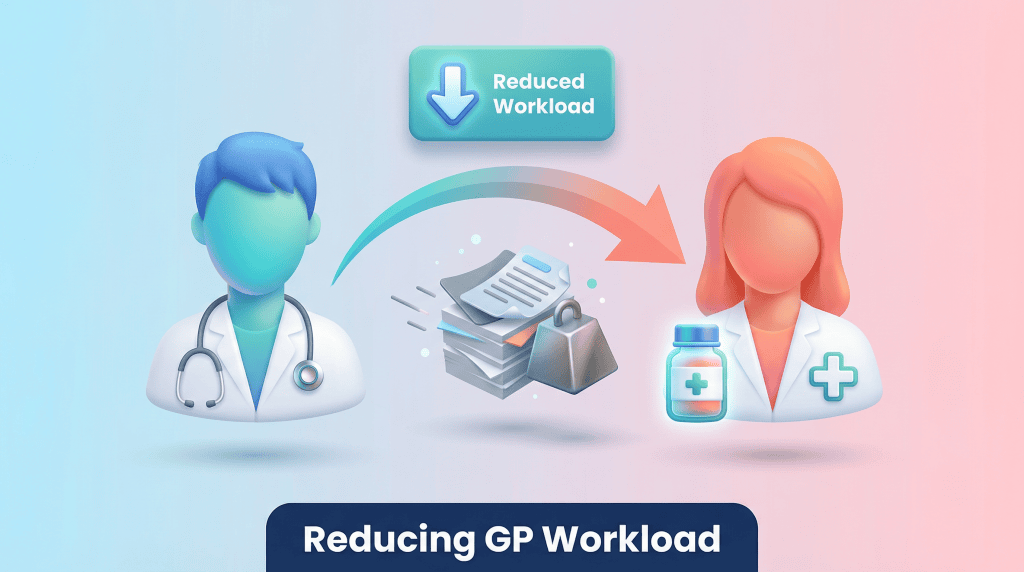
In many PCNs, the right clinical pharmacy team support PCN leaders invest in has a measurable impact on both staff satisfaction and patient outcomes. Understanding how clinical pharmacy teams reduce GP workload is key to sustainable primary care, and the clinical pharmacist impact on workload extends across the entire practice team. With dedicated pharmacy team support PCN networks can respond directly to the pressures the staff survey reveals in general practice, and help PCNs manage workload pressures over time.
The PCNs that get the most value from workforce surveys are the ones that act on them. When feedback leads to real changes in workload and support, you see a direct improvement in both staff morale and patient care.
Adeem Azhar, Co-Founder and Chief Executive Officer – Core Prescribing Solutions
FAQs
Looking for support with workforce pressures in your PCN?
If your PCN is dealing with workload pressure or retention challenges highlighted in the staff survey, we can help you act on it. Our pharmacy teams integrate quickly to reduce GP workload, improve safety, and stabilise your workforce, with a focus on the staff wellbeing primary care NHS teams deserve.