Skip to main content

 01274 442076


What Are Integrated Neighbourhood Teams in the NHS?
|
Getting your Trinity Audio player ready...
|
- What are integrated neighbourhood teams?
- Integrated neighbourhood teams NHS guidance
- How integrated neighbourhood teams differ from traditional primary care
- What is an integrated care team?
- What is an example of an integrated neighbourhood team?
- Why integrated neighbourhood teams matter for primary care
- The role of clinical pharmacists and pharmacy technicians
- What makes integrated neighbourhood teams work well?
- How we support integrated neighbourhood working
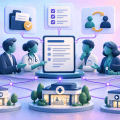
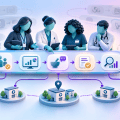
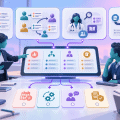
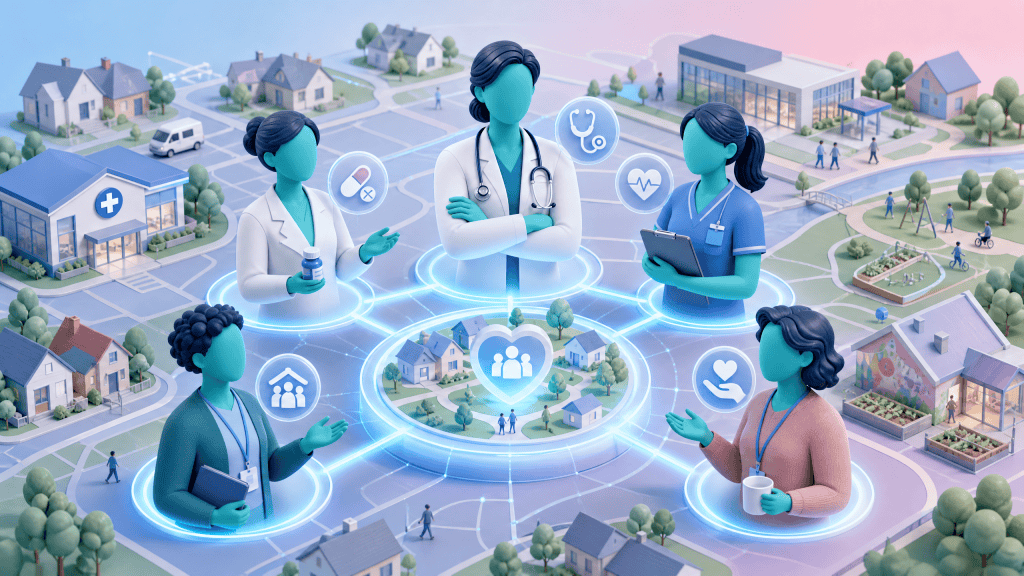
Integrated neighbourhood teams bring together professionals from primary care, community services, mental health, social care and the voluntary sector to support people closer to home. In the NHS, they are part of the wider move towards neighbourhood health, prevention and more joined-up care for local populations.
Key takeaways
- Integrated neighbourhood teams are designed to coordinate care around local communities rather than separate services.
- Current NHS neighbourhood health guidance focuses on multidisciplinary working, prevention, population health and care closer to home.
- For primary care, these models only work when roles, workflows, data sharing and clinical governance are clearly defined.
What are integrated neighbourhood teams?
Integrated neighbourhood teams are local multidisciplinary teams that bring different services together around a defined community or neighbourhood. They may include GPs, nurses, clinical pharmacists, pharmacy technicians, community health teams, mental health professionals, social care, voluntary sector partners and other local services.
The aim is to reduce fragmented care by making teams work together around patient need, rather than expecting patients to navigate disconnected services.
Integrated neighbourhood teams NHS guidance
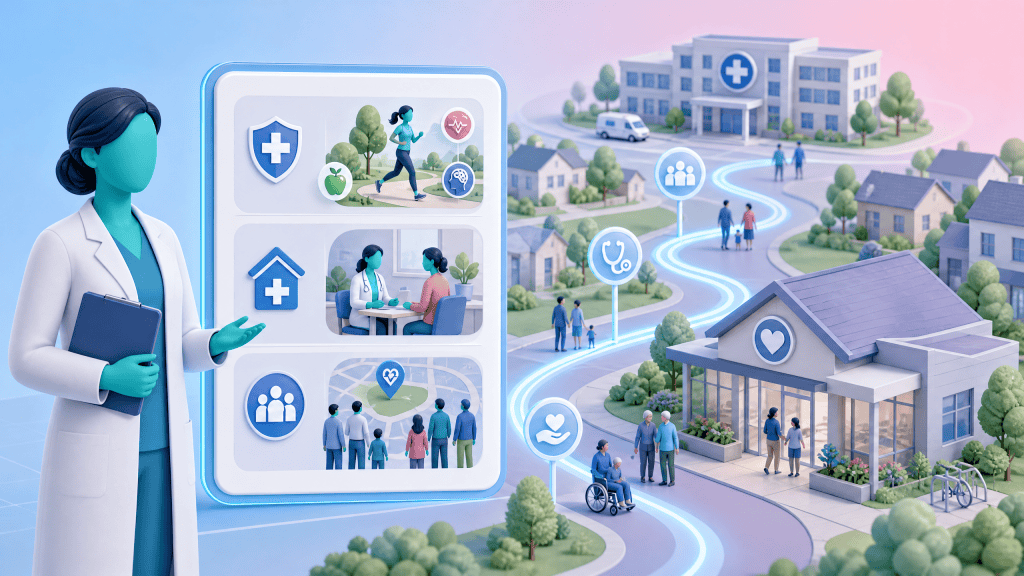
Current integrated neighbourhood teams NHS guidance sits within the wider neighbourhood health agenda. The focus is on moving more care closer to home, improving prevention, supporting people with complex needs and reducing avoidable pressure on hospitals and urgent care.
In practice, this means local systems are expected to think about:
- Neighbourhood footprints based on real communities
- Population health needs and priority patient groups
- Multidisciplinary working across services
- Better access to proactive and preventive care
- Shared responsibility between NHS, local authority and voluntary sector partners
- Data, digital tools and shared records to support coordination
- Clear governance and accountability across organisations
This is not just a new team name. It is a different way of organising care around local population need.
Planning how your PCN will work within a more integrated neighbourhood model?
Discuss PCN integration supportHow integrated neighbourhood teams differ from traditional primary care
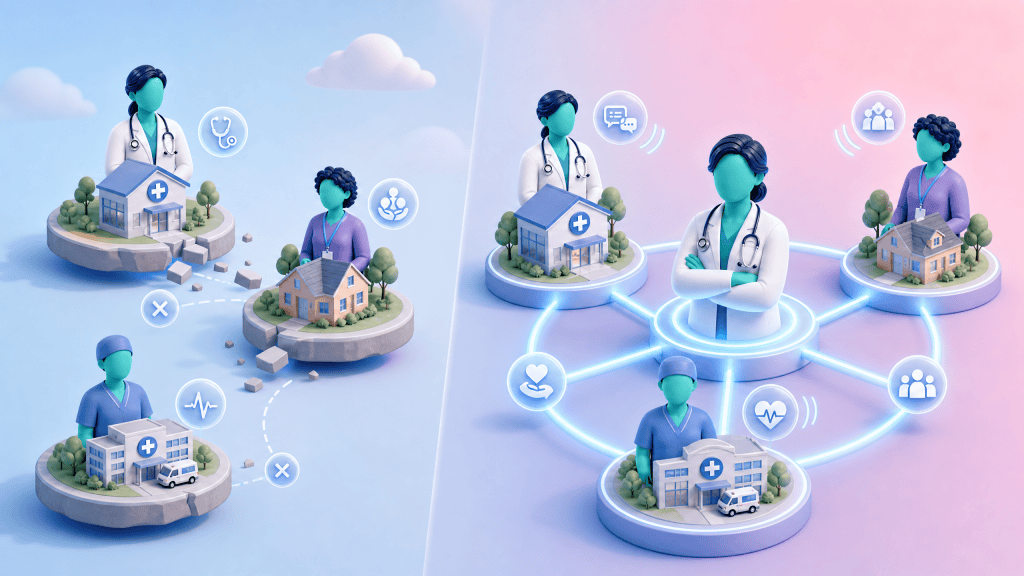
Traditional primary care often works through individual GP practices, with referrals or communication between other services happening separately. That can create delays, duplication and gaps in care, especially for people with complex needs.
Integrated neighbourhood teams are designed to work differently.
They aim to:
- Bring professionals together around shared patient groups
- Reduce duplicated assessments and handovers
- Improve communication between services
- Support earlier intervention
- Address medical, social and practical needs together
- Use local population data to target support
- Make care feel less fragmented for patients
Primary care remains central, but it is not expected to carry every issue alone. The model depends on wider collaboration.
What is an integrated care team?
An integrated care team is a group of professionals from different services working together around a patient, group of patients or local population. In the context of neighbourhood health, integrated neighbourhood teams are one form of integrated care team.
The team may include:
- GPs
- Clinical pharmacists
- Pharmacy technicians
- Community nurses
- Mental health professionals
- Social workers
- Care coordinators
- Allied health professionals
- Voluntary sector partners
- Local authority teams
The exact team will vary by local need. A neighbourhood with high frailty demand may need a different model from one focused on children, mental health or long-term condition management.
What is an example of an integrated neighbourhood team?
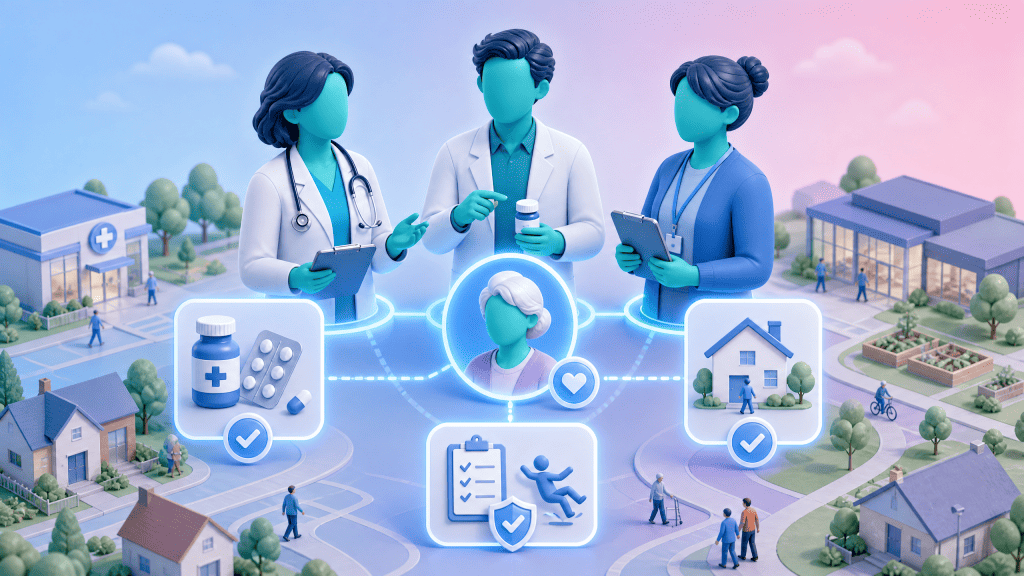
A practical example would be a neighbourhood team supporting older adults with frailty and multiple long-term conditions.
The team may include a GP, clinical pharmacist, community nurse, social care worker, care coordinator and voluntary sector link worker. Together, they could identify patients at higher risk of hospital admission, review medicines, check home support, arrange follow-up, address loneliness or falls risk and escalate concerns early.
This is one of the clearest examples of integrated neighbourhood teams because it shows the model working across medical, medicines, social and community support needs.
Why integrated neighbourhood teams matter for primary care
Primary care is already managing rising demand, more complex patients and pressure on GP capacity. Integrated neighbourhood teams can help by sharing responsibility across a wider group of professionals and services.
Potential benefits include:
- Better support for people with complex needs
- Earlier intervention before problems escalate
- Reduced duplication between services
- More coordinated long-term condition care
- Better use of clinical pharmacist and pharmacy technician roles
- Improved support after hospital discharge
- Stronger links between health, social care and voluntary support
- More targeted use of local population health data
The value comes when INTs solve real operational problems, not when they simply add another meeting or layer of structure.
Planning how your PCN will work within a more integrated neighbourhood model?
Discuss PCN integration supportThe role of clinical pharmacists and pharmacy technicians
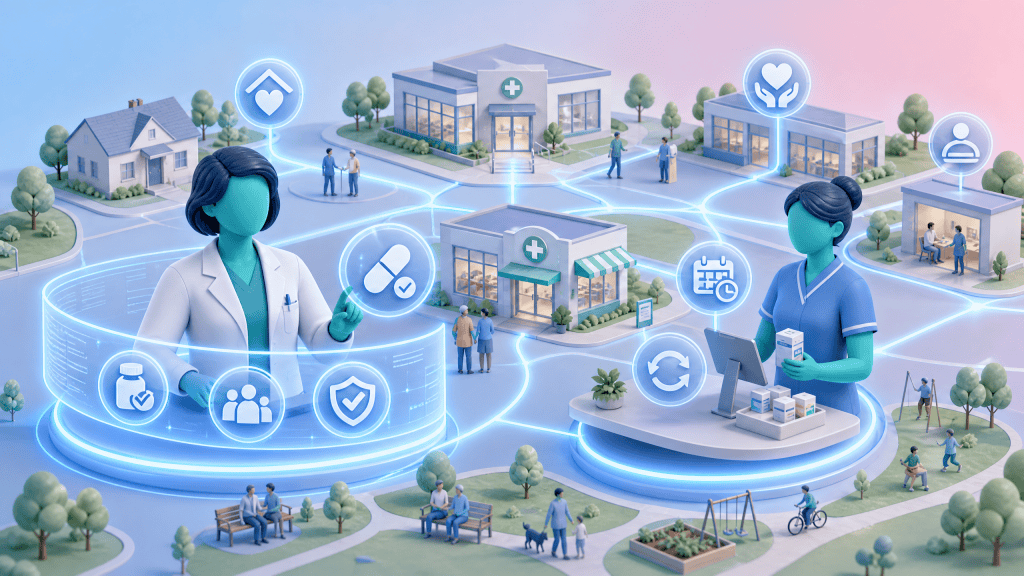
Clinical pharmacists and pharmacy technicians can play an important role in integrated neighbourhood teams because many complex patient needs involve medicines, prescribing, monitoring and adherence.
Clinical pharmacists can support:
- Medication reviews and Structured Medication Reviews
- Medicines optimisation for long-term conditions
- High-risk medicines review
- Polypharmacy and frailty medicines support
- Post-discharge medicines reconciliation
- Adherence and side effect conversations
- Prescribing safety and escalation
Pharmacy technicians can support:
- Repeat prescribing workflows
- Medicines reconciliation tasks within scope
- Patient recalls and follow-up processes
- Monitoring checks and workflow coordination
- Documentation and medicines safety administration
- Support for shared neighbourhood processes
When used well, these roles help integrated teams move from broad coordination to practical medicines safety and workload support.
What makes integrated neighbourhood teams work well?
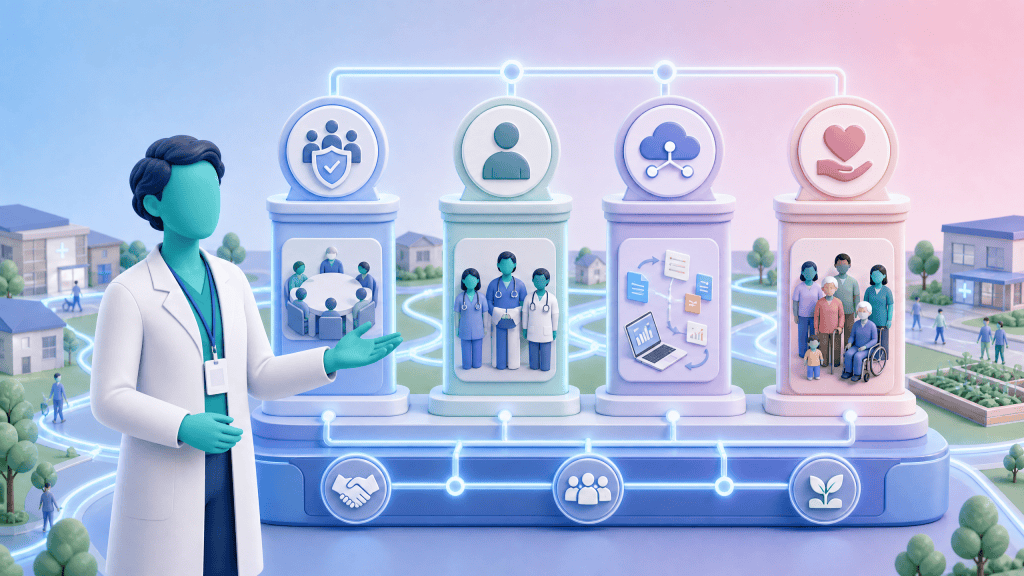
Integrated neighbourhood teams need more than goodwill. They need a clear operating model so that different organisations can work together safely.
A strong model should include:
- Defined patient groups or priority cohorts
- Clear roles and responsibilities
- Shared referral and escalation routes
- Agreed governance and clinical oversight
- Access to relevant patient information
- Practical data sharing arrangements
- Regular review of outcomes and workload
- Strong links with community and voluntary services
- A clear process for medicines-related work
Without this structure, integrated teams can become discussion forums rather than delivery models.
Core Prescribing Solutions Insight: What we see in primary care
In primary care, integrated neighbourhood teams only work when the model connects directly to day-to-day workload, such as medication reviews, long-term condition support, repeat prescribing, frailty, discharge follow-up and patient monitoring. The most effective teams are not just multidisciplinary in name. They have clear workflows, defined responsibilities and pharmacist input where medicines are a major part of patient risk.
Expert comment from our CEO and qualified clinical pharmacist:
Integrated neighbourhood teams have real potential, but they need to be built around practical delivery. In primary care, a large part of complex care involves medicines, monitoring, adherence and long-term condition support. Clinical pharmacists and pharmacy technicians can help make neighbourhood working safer and more effective when their roles are clearly integrated into the wider team.
Adeem Azhar, Co-Founder and CEO, MPharm, IPres, Core Prescribing Solutions
How we support integrated neighbourhood working
Integrated neighbourhood teams need clear medicines workflows, especially for patients with frailty, polypharmacy, long-term conditions or recent hospital discharge. At Core Prescribing Solutions, our clinical pharmacy team helps primary care and neighbourhood teams manage this part of care safely.
We can support with:
- Medication reviews and Structured Medication Reviews for complex patients
- Medicines optimisation linked to long-term conditions, frailty and polypharmacy
- Pharmacy technician support for recalls, monitoring and follow-up tasks
- Medicines reconciliation after discharge or care transitions
- Clear escalation where prescribing risk or clinical concerns need wider team input
- Integrated Neighbourhood Working Readiness
This helps medicines-related work sit properly within neighbourhood care, rather than becoming a separate pressure on GP practices.
FAQs
Build the workforce and operating model needed for integrated neighbourhood care
Core Prescribing Solutions can support PCNs with strategic management, workforce planning, multidisciplinary team integration and clinical service delivery. We can help align roles, workflows and capacity across practices, strengthen collaboration and create scalable operating models that support more coordinated neighbourhood-level care.
Discuss your neighbourhood care priorities