Skip to main content


 01274 442076


Vitamin D Deficiency Symptoms (NHS): Signs, Tests & Dosage Guide
|
Getting your Trinity Audio player ready...
|
Vitamin D deficiency is one of the most common nutritional gaps in the UK, often linked to low sunlight exposure. This article looks at the key symptoms recognised by the NHS, when testing is needed, and how the deficiency is usually managed in line with vitamin d nhs guidelines.
- What Is Vitamin D Deficiency?
- 14 Signs of Vitamin D Deficiency NHS
- What Is the Difference Between Vitamin D and Vitamin D3?
- Who Is at Higher Risk?
- Vitamin D Deficiency Test
- Vitamin D Deficiency Dosage Chart
Key Takeaways:
- A vitamin D deficiency test is the only reliable way to confirm low levels.
- Most people receive vitamin D deficiency treatment with vitamin D3 supplements, guided by a dosage chart tailored to their measured levels.
- Urgent GP review is advised if symptoms are severe or impact mobility, or if a child shows signs of deficiency.
What Is Vitamin D Deficiency?
Vitamin D deficiency occurs when the body doesn’t have enough vitamin D to keep bones, muscles, and the immune system healthy, and signs of low vitamin d3 can vary widely among individuals. Without sufficient levels, calcium and phosphate can’t be regulated effectively, leading to weak bones, muscle pain, or frequent illness.
14 Signs of Vitamin D Deficiency NHS
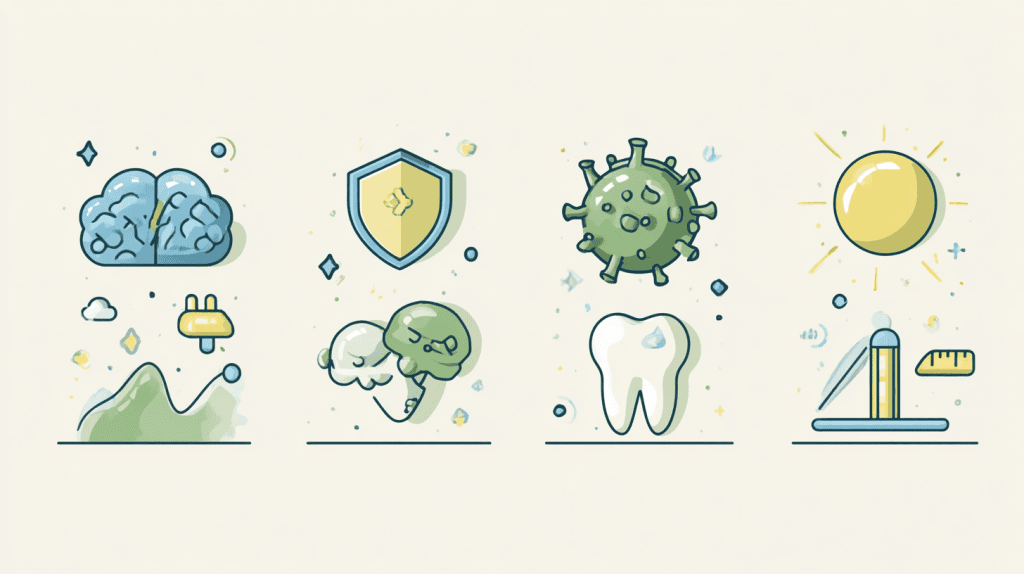
The NHS recognises a wide range of symptoms of vitamin d deficiency linked to low vitamin D. These can affect bones, muscles, immunity, and overall wellbeing. Many people may not experience any vitamin d3 deficiency symptoms at all, but for those who do, common signs of low vitamin d3 include muscle weakness, bone pain, and fatigue.
Bone and Muscle Health
- Aching bones or joints
- Muscle weakness or cramps
- Increased risk of fractures
- Rickets in children (soft, weak bones)
Related Read: What is Osteoporosis?
Immunity and General Health
- Frequent colds, flu, or infections
- Slow wound healing
- General fatigue and low energy are two of the most commonly reported symptoms of low vit d3 (and often the reason people ask: does lack of vitamin d make you tired?).
- Feeling run-down more often than usual
Mood and Cognition
- Low vitamin d3 symptoms can also affect mental health, including low mood, difficulty concentrating, and disrupted sleep.
- Difficulty concentrating (“brain fog”)
- Poor sleep quality
Related Read: How pharmacists can support your mental health
Child Growth and Teeth
- Delayed growth or development
- Dental problems (late tooth eruption, weak enamel)
- Irritability or restlessness in infants and children
If you notice several of these vitamin d deficiency symptoms NHS lists as warning signs, it’s worth requesting a vitamin d deficiency test to confirm.
Expert insight from Adeem Azhar, qualified Clinical Pharmacist and CEO
“These symptoms are often subtle at first, so people may not realise they’re linked to low vitamin D. If you’re frequently feeling tired, achy, or picking up infections more than usual, a simple blood test can make a big difference in finding the cause and getting the right support.”
Adeem Azhar, MPharm, IPres
Co-Founder and Chief Executive Officer – Core Prescribing Solutions
Qualified Clinical Pharmacist
Need a more consistent vitamin D pathway across your practice or PCN?
Discuss medicines optimisation supportWhat Is the Difference Between Vitamin D and Vitamin D3?
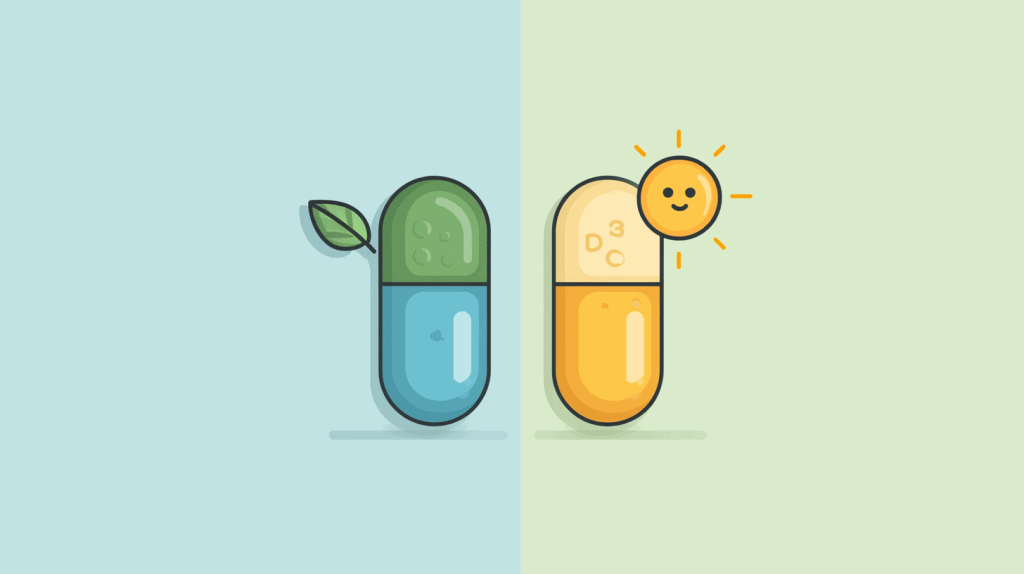
Vitamin D is a fat-soluble vitamin that helps regulate calcium and phosphate in the body, keeping bones, teeth, and muscles healthy. It exists in two main forms:
For nhs vitamin d guidance, the NHS usually recommends vitamin D3 because it raises and maintains blood vitamin D levels more effectively than D2. For most people, taking the right form consistently matters more than the brand or format of the supplement.
- Vitamin D2 (ergocalciferol): found in some plants and fortified foods.
- Vitamin D3 (cholecalciferol): made naturally in the skin when exposed to sunlight and found in some animal-based foods and most supplements.
Who Is at Higher Risk?

The NHS highlights several groups more likely to develop vitamin d deficiency:
- People with limited sun exposure: Staying indoors or covering skin reduces natural vitamin D production.
- Darker-skinned individuals : Higher melanin levels lower the skin’s ability to make vitamin D from sunlight.
- Older adults: Ageing skin is less efficient at producing vitamin D.
- Pregnant and breastfeeding women: Increased demand raises the risk of deficiency.
- Babies and young children: Especially if breastfed without vitamin D supplementation.
- People in care homes or housebound: Reduced outdoor activity limits sun exposure.
- Those with certain medical conditions or on specific medicines: For example, kidney or liver disease, or drugs that affect vitamin D metabolism.
Vitamin D Deficiency Test
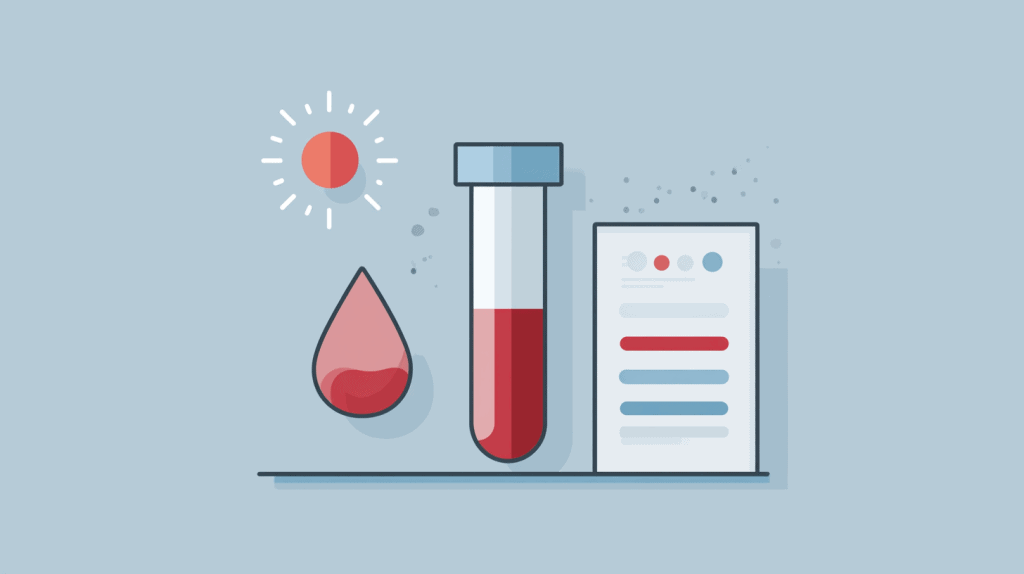
The standard way to confirm a vitamin d deficiency is with a 25-hydroxyvitamin D (25-OH D) blood test. This measures the level of vitamin D circulating in the blood and is considered the most accurate marker.
In the UK, tests may be offered through the NHS if a deficiency is suspected based on symptoms or risk factors, including early signs of vitamin d insufficiency. Private providers also offer home finger-prick kits or full blood draws, but interpretation should always be discussed with a healthcare professional.
| Blood level (nmol/L) | Interpretation | Next step |
|---|---|---|
| < 30 | Deficient | Treatment usually required |
| 30–50 | Insufficient | May need supplementation |
| > 50 | Sufficient | Maintain levels |
Vitamin D Deficiency Dosage Chart
The NHS recommends different levels of vitamin D depending on age, risk factors, and whether someone is correcting a deficiency or maintaining healthy levels. The chart below gives an overview only exact dosing should be guided by blood test results and clinical advice.
| Group | Daily maintenance (µg / IU) | Short-term correction | Max safe limit (µg / IU) | Monitoring note |
|---|---|---|---|---|
| Adults (19–64 yrs) | 10 µg (400 IU) | Higher-dose supplements may be prescribed if deficient | 100 µg (4,000 IU) | Retest after 3–6 months if treated for deficiency |
| Older adults (65+) | 10 µg (400 IU) | Often need additional supplementation if housebound/low sun | 100 µg (4,000 IU) | Monitoring advised, especially with frailty or multiple conditions |
| Pregnant & breastfeeding women | 10 µg (400 IU) | Specialist dosing if deficiency confirmed | 100 µg (4,000 IU) | Important for maternal and infant bone health |
| Children (1–4 yrs) | 10 µg (400 IU) | Higher doses may be given under medical supervision | 50 µg (2,000 IU) | NHS recommends daily drops in at-risk children |
| Infants (<1 yr, breastfed) | 8.5–10 µg (340–400 IU) | If deficient, paediatric guidance required | 25 µg (1,000 IU) | Supplementation recommended unless formula-fed >500ml/day |
| Clinically deficient (any age) | Maintenance plus tailored treatment | Often given as weekly/monthly high-dose therapy | Depends on protocol | Blood test recheck essential |
Safety note: Dosing depends on measured vitamin D levels, age, pregnancy status, comorbidities, and medicines. Always follow NHS or prescriber guidance rather than self-adjusting doses.
How Core Prescribing Solutions Can Help
At Core Prescribing Solutions, our team of clinical pharmacists supports GP practices, PCNs, and federations with services designed to improve patient care and safety around medicines, including:
- Medicines optimisation: Ensuring patients receive the right supplements or treatments at the right dose.
- Supplement review: Checking for interactions, adherence issues, and safe long-term use of vitamin D.
- Primary care pathways: Helping practices set up clear, evidence-based processes for testing, prescribing, and monitoring.
- Audits and training: Providing PCNs and GPs with data, reviews, and upskilling to strengthen clinical governance.
Our aim is to make vitamin D management safer and more efficient, while reducing unnecessary variation across practices.
Frequently Asked Questions
Strengthen vitamin D testing, prescribing and monitoring across primary care
Core Prescribing Solutions can support practices and PCNs with Clinical Pharmacist capacity for medicines optimisation, supplement reviews, prescribing audits and evidence-based vitamin D pathways. We can help standardise testing, treatment and follow-up while reducing unnecessary variation and strengthening medicines safety across practices.
Discuss your vitamin D pathway