Skip to main content


 01274 442076


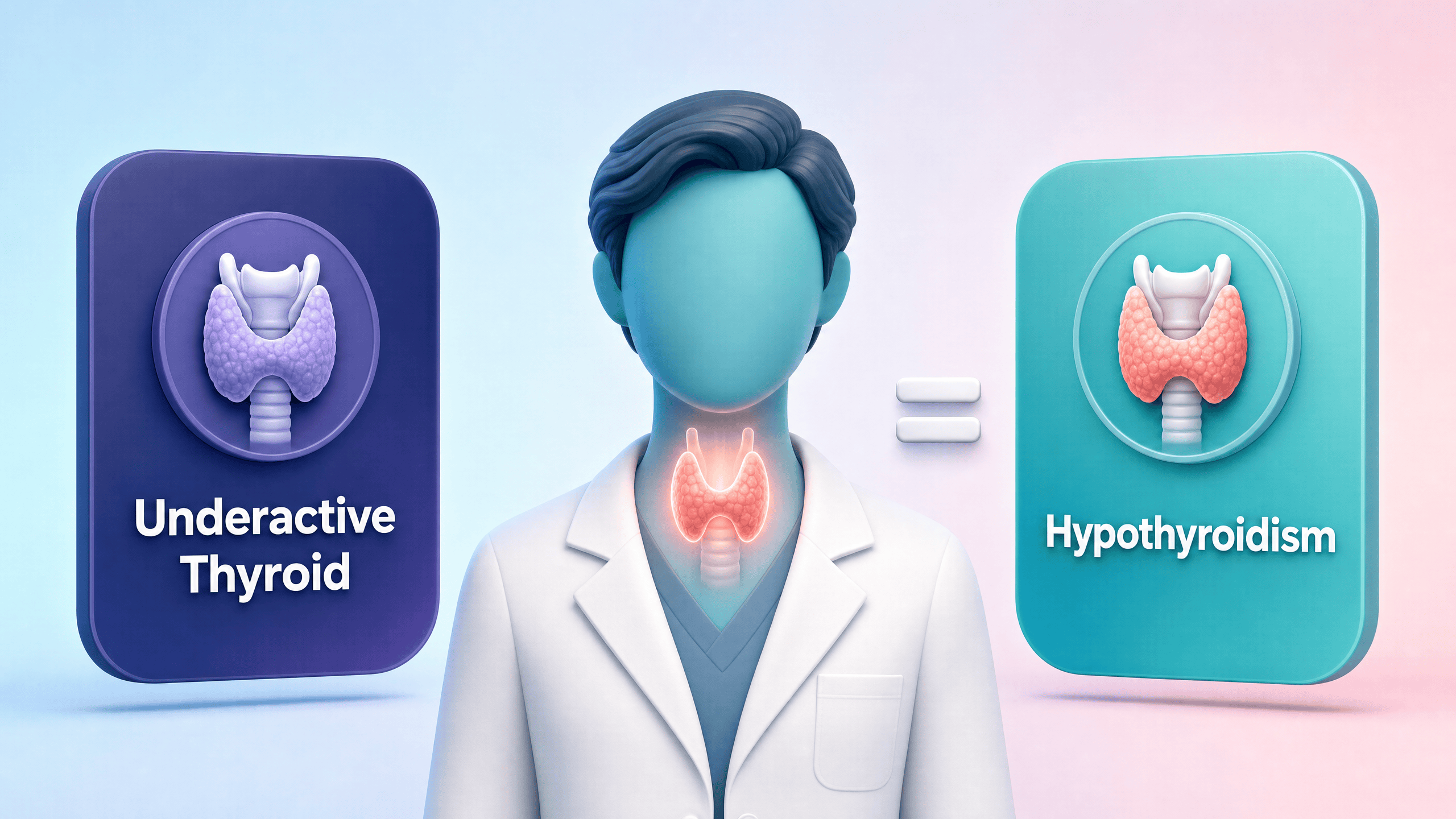
Hypothyroidism (Underactive thyroid): Symptoms, Causes and Treatment Explained
|
Getting your Trinity Audio player ready...
|
Page last reviewed: 1st May 2026
Hypothyroidism, also known as an under active thyroid, occurs when the thyroid gland does not produce enough thyroid hormones. Hypothyroidism is one of the most common long-term conditions managed in primary care, requiring ongoing monitoring and medication titration. The condition usually develops gradually, which is why underactive thyroid symptoms are often overlooked or attributed to other causes.
Hypothyroidism symptoms
Causes of an underactive thyroid
Diagnosis and thyroid blood tests
What does a low T4 result mean?
Treatment for hypothyroidism
Diet and hypothyroidism
Hypothyroidism in women and men
Eyes and thyroid disease
Hypothyroidism and weight
FAQs
Key takeaways
- Symptoms develop slowly, meaning the condition is often overlooked
- Levothyroxine is effective, but correct dosing, timing and absorption are critical
- Untreated disease increases cardiovascular risk, making long-term monitoring essential
What is Hypothyroidism?
Hypothyroidism, or an underactive thyroid, is a common medical condition where the thyroid gland in the neck does not produce enough essential hormones. These hormones are crucial for regulating the body’s metabolism, energy levels, heart rate, and temperature. When hormone levels are too low, many bodily functions slow down, leading to a range of symptoms.
What are the symptoms of hypothyroidism?
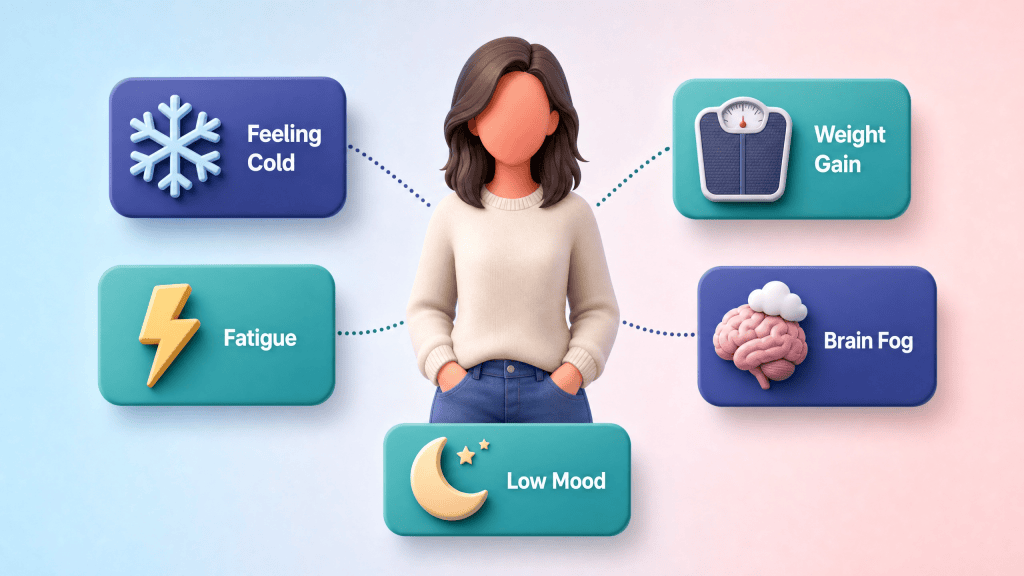
Hypothyroidism symptoms usually build up over time rather than appearing suddenly.
Common symptoms of underactive thyroid include:
- Persistent tiredness and low energy
- Feeling cold
- Weight gain
- Constipation
- Low mood or depression
- Poor concentration or “brain fog”
- Dry skin, brittle hair or hair loss
- Hoarse voice
If left untreated, this thyroid deficiency is associated with raised cholesterol levels, increasing long-term cardiovascular risk.
What causes an underactive thyroid?
Autoimmune conditions are the leading cause of an underactive thyroid.
Key causes include:
- Autoimmune thyroiditis (Hashimoto’s disease)
- Previous thyroid surgery or radioactive iodine treatment
- Certain medicines, particularly lithium and amiodarone
- Postpartum thyroiditis
- Iodine deficiency, now uncommon in the UK
- Identifying the cause helps guide follow-up and long-term management.
How is hypothyroidism diagnosed?
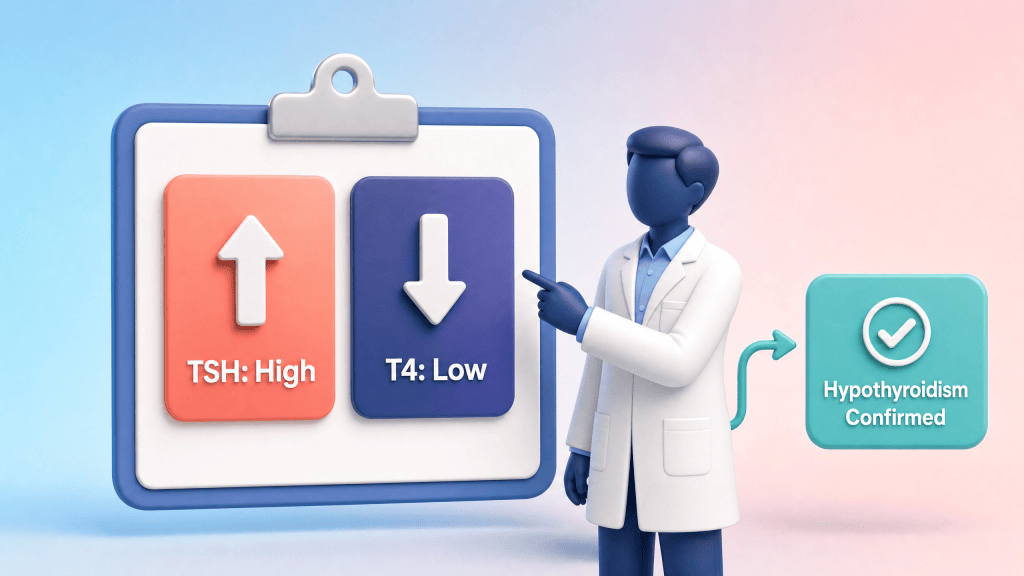
Diagnosis is based on thyroid blood tests, usually measuring TSH and free T4. A raised TSH with a low free T4 confirms primary disease and guides treatment decisions, in line with national guidance from the NICE Clinical Knowledge Summaries on hypothyroidism.
What does a low T4 result mean?
A low T4 level usually indicates an underactive thyroid. When T4 levels fall, metabolism slows, leading to symptoms such as fatigue, weight gain and cold sensitivity. Results are interpreted alongside TSH to confirm the diagnosis.
How is hypothyroidism treated?
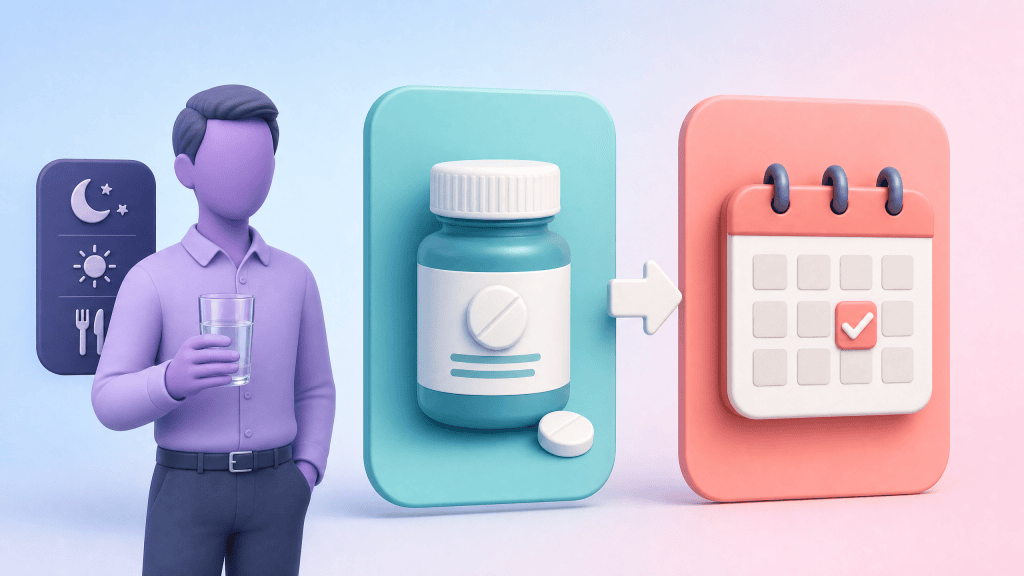
Hypothyroidism treatment usually involves long-term hormone replacement. Levothyroxine replaces the hormone the thyroid gland is not producing and remains the standard first-line option.
Key points for patients:
- Symptom improvement can take several weeks
- Doses often need adjustment early on
- Regular blood tests are essential
Because timing and interactions affect absorption, taking levothyroxine correctly is an important part of effective treatment. Once stable, thyroid function is usually checked yearly, in line with national guidance, with blood tests typically repeated 6-8 weeks after dose changes – an important part of high-risk medication monitoring in primary care. If symptoms persist despite blood results in range, a structured medication review for long-term conditions can help identify issues with dosing, interactions or adherence. Liothyronine (T3) is generally reserved for specialist care.
Can diet affect hypothyroidism treatment?
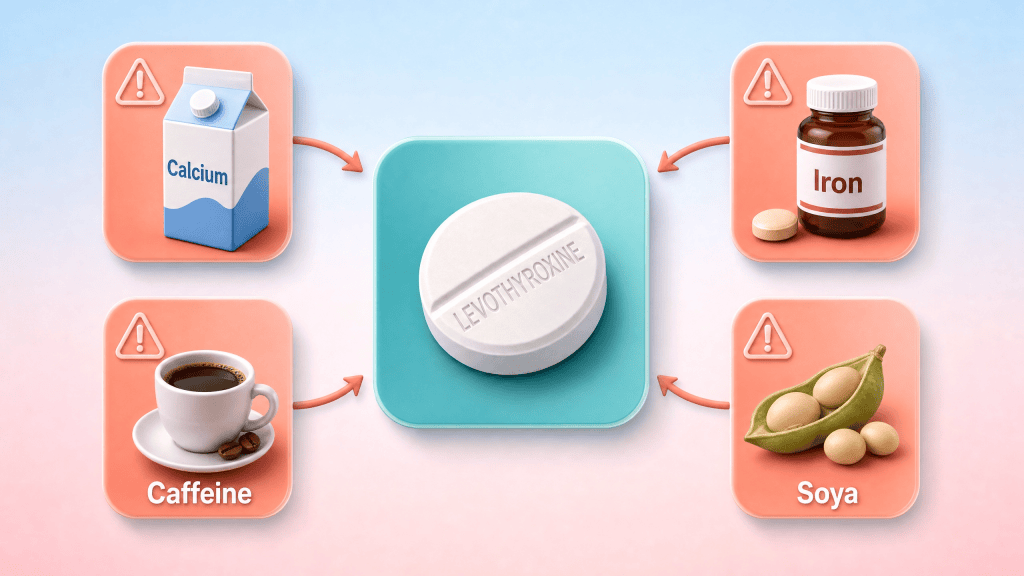
There is no specific diet that treats this condition, but diet can affect how well medication works.
Practical advice includes:
- Take levothyroxine on an empty stomach at the same time each day
- Avoid taking it close to calcium or iron supplements
- Soya and caffeine can reduce absorption if taken too near the dose
- Avoid iodine-rich supplements such as kelp unless advised
A balanced diet is sufficient for most people.
Does hypothyroidism affect women and men differently?
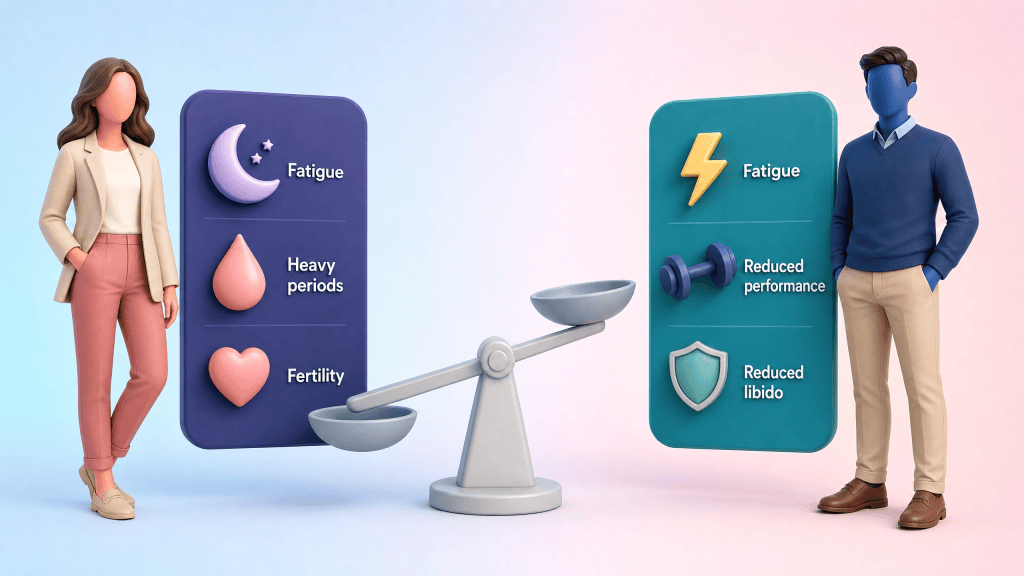
Women are more likely to be affected, with symptoms sometimes overlapping with perimenopause, including fatigue, low mood, heavy periods and fertility problems. During pregnancy, careful monitoring is important.
The condition is less common in men and may be diagnosed later. Symptoms can include reduced libido, erectile dysfunction, fatigue and reduced physical performance. Further patient support and resources are available from Thyroid UK.
Can hypothyroidism cause eye problems?
Eye disease is more strongly linked to hyperthyroidism, but people with hypothyroidism may experience dry or irritated eyes. New symptoms such as eye bulging, double vision or visual loss require urgent assessment.
How does hypothyroidism affect weight?
Weight gain is common, although it is often modest and partly related to fluid retention. Unintentional weight loss is not typical and should prompt investigation for other causes.
“Hypothyroidism is a condition where small gaps in diagnosis, treatment or monitoring can quietly create long-term risk. Getting it right means consistent follow-ups and ensuring medicines titrated as and when needed based on clinical need.”
Adeem Azhar, Co-Founder and Chief Executive Officer – Core Prescribing Solutions
FAQs