Skip to main content


 01274 442076



What Does a Medication Safety Officer Do in a PCN?
|
Getting your Trinity Audio player ready...
|
A Medication Safety Officer PCN role is the designated healthcare professional function responsible for leading medication safety across general practice within a Primary Care Network. The role focuses on preventing medication errors, overseeing incident reporting and learning, and improving prescribing systems at network level to reduce patient harm.
Rather than managing individual prescriptions, the Medication Safety Officer role at PCN level focuses on system-level oversight, learning from incidents, and improving prescribing processes across multiple GP practices.
- Why is medication safety managed at PCN level?
- What does a Medication Safety Officer do?
- How does the PCN role differ from a practice MSO?
- Who can act as a Medication Safety Officer in a PCN?
Key takeaways
- A PCN Medication Safety Officer oversees medication safety risks across practices, not individual patients
- The role focuses on learning, prevention, and system improvement, rather than blame
- PCN MSOs help turn incident data into practical, network-wide safety improvements

Why is medication safety managed at PCN level?
Medication safety risks often extend beyond individual GP practices. Differences in systems, staffing models, and workflows increase the likelihood of harm if risks are managed in isolation.
Managing medication safety in primary care at PCN level allows risks to be identified, compared, and addressed consistently across practices. NHS England expects medication safety to be embedded within local patient safety systems, with clear evidence of shared learning and improvement.
In practice, the same medication risks often recur across neighbouring practices simply because learning is not shared at network level.
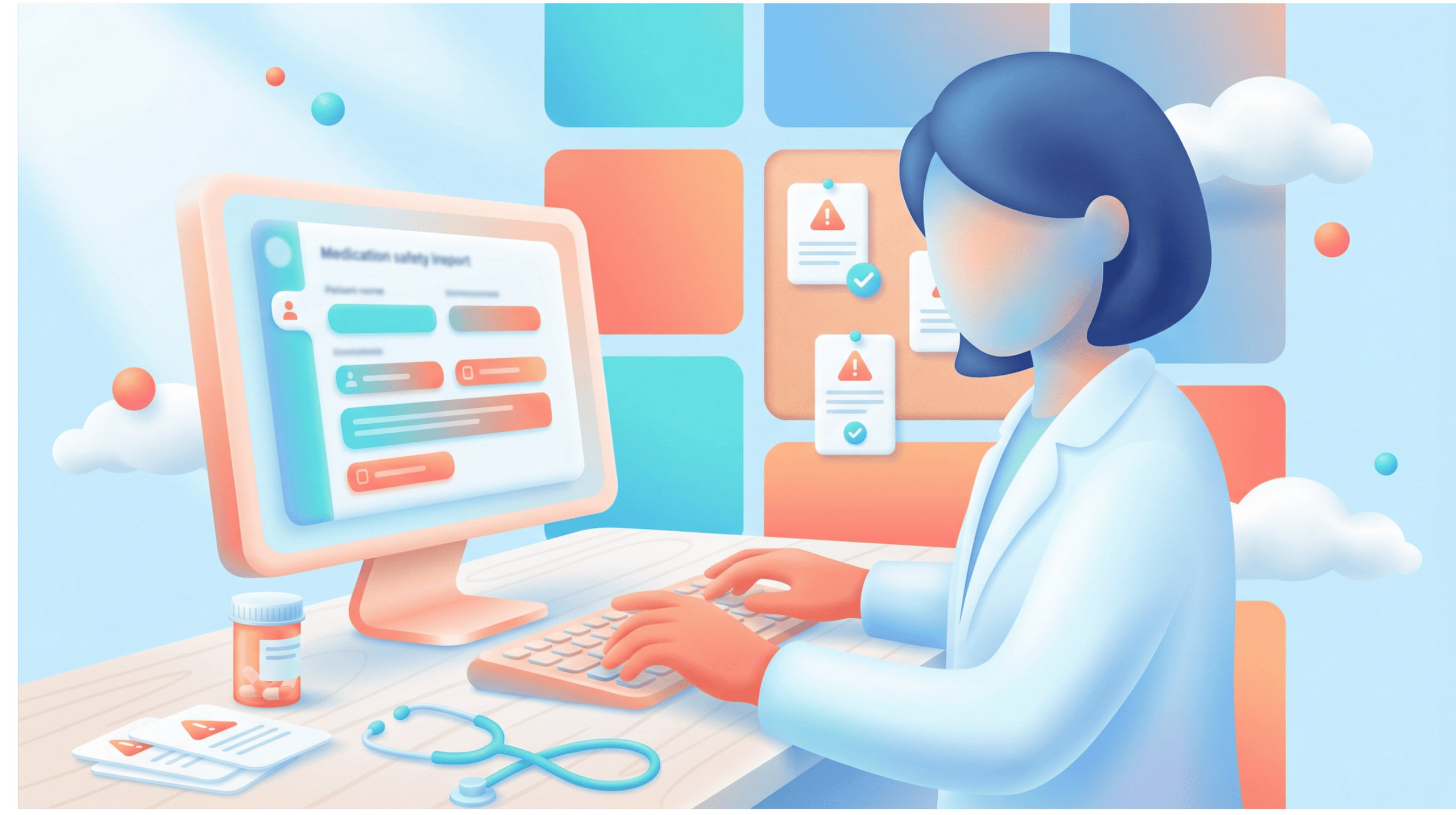
What does a Medication Safety Officer do?
In practice, the Medication Safety Officer PCN role provides network-level oversight rather than individual prescribing responsibility.
Key Medication Safety Officer responsibilities include:
- Overseeing medication incident reporting and shared learning, including use of the Learn from Patient Safety Events (LFPSE) service
- Identifying high-risk medicines and prescribing processes, such as anticoagulants, insulin, opioids, and monitoring workflows
- Analysing trends in medication errors and near misses across practices
- Driving system-level improvements to prescribing processes and clinical workflows
- Supporting education on safe prescribing principles and high-risk medicines
This reflects the wider Medication Safety Officer NHS model, where healthcare organisations are expected to have a named individual responsible for medication safety, supported by NICE guidance on medicines safety and reporting frameworks.
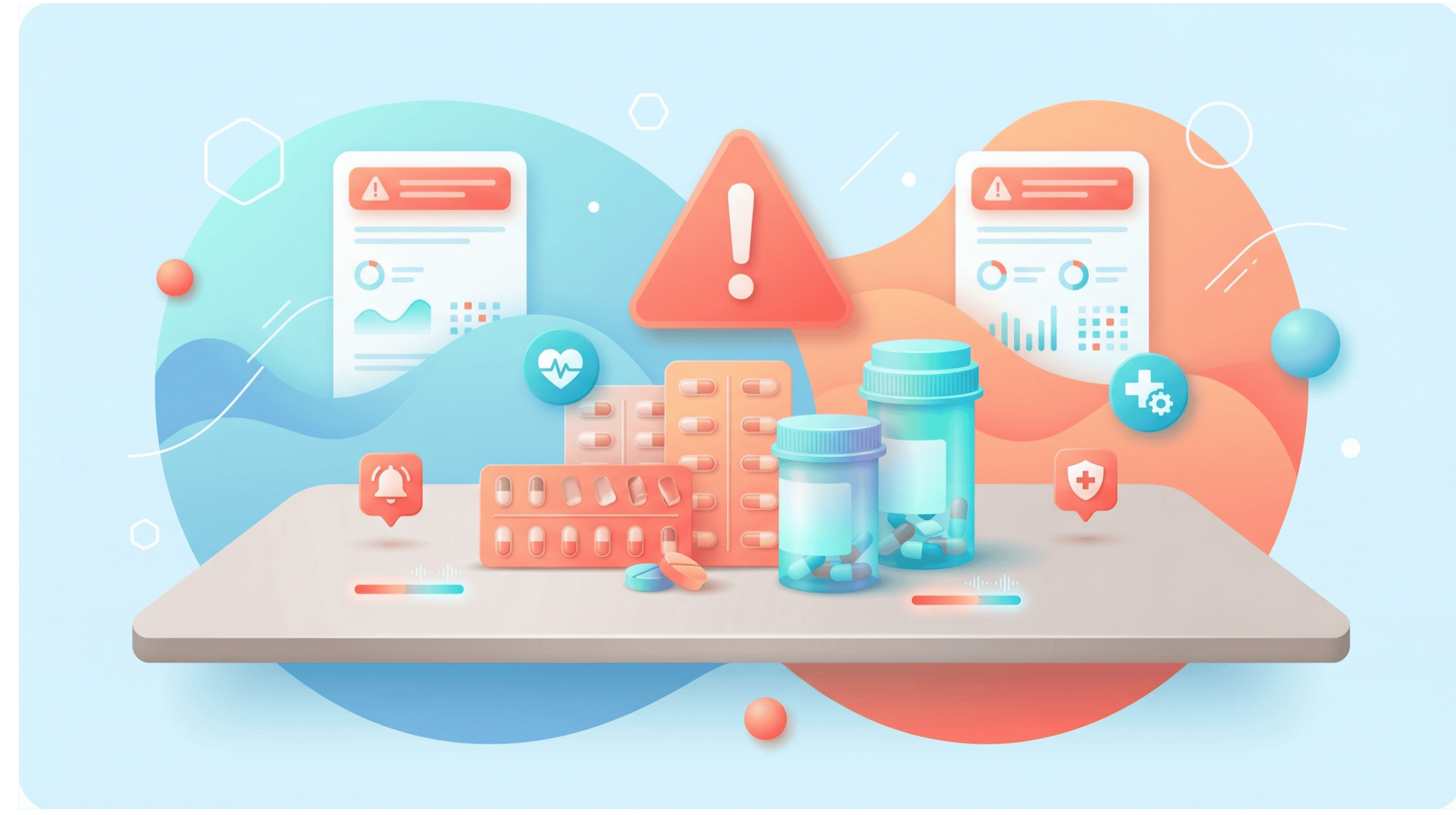
How does the PCN role differ from a practice MSO?
| Practice Medication Safety Officer | PCN Medication Safety Officer |
| Focuses on one GP practice | Oversees multiple practices |
| Reviews individual incidents | Identifies trends across the network |
| Often reactive | Preventative and strategic |
At PCN level, the Medication Safety Officer provides a clear point of accountability for PCN medication safety, rather than responsibility being spread across individual practices.

Who can act as a Medication Safety Officer in a PCN?
There is no single mandated professional background. The role is commonly undertaken by clinical pharmacists, senior pharmacy technicians, or experienced prescribing clinicians with patient safety expertise.
In many PCNs, the role is part-time and combined with other responsibilities within ARRS-funded teams, aligning closely with wider clinical pharmacist support in PCNs.

Expert insight
Medication safety at PCN level is about seeing the bigger picture. When learning is fragmented across practices, the same risks repeat. A dedicated Medication Safety Officer gives PCNs the structure and oversight needed to reduce harm at scale, without adding unnecessary burden to practices.
Adeem Azhar, Co-Founder and Chief Executive Officer – Core Prescribing Solutions

Frequently asked questions
Support for PCNs
PCNs looking to strengthen medication safety often benefit from structured, network-level support that provides protected time, consistent oversight, and clear governance. Many choose to do this through established approaches to medication safety in primary care that work at PCN scale.