Skip to main content


 01274 442076


What Is a Remote Pharmacist?
|
Getting your Trinity Audio player ready...
|
Updated: June 2026
A remote pharmacist is a GPhC-registered pharmacist who delivers pharmacy support without being physically based at a GP practice, PCN or healthcare site. In NHS primary care, this can include remote medication reviews, prescribing support, medicines optimisation, patient consultations and clinical documentation using secure digital systems.
- What Does a Remote Pharmacist Do?
- How Remote Pharmacy Works in the NHS and Primary Care
- Key Benefits of Remote Pharmacists
- Remote Pharmacist Responsibilities
Key Takeaways:
- A remote pharmacist supports GP practices and PCNs without needing to be physically on site.
- Remote pharmacy can improve access, workforce resilience and continuity of care when it is clinically governed.
- Common responsibilities include medication reviews, prescribing support, patient consultations and medicines optimisation.
What Does a Remote Pharmacist Do?
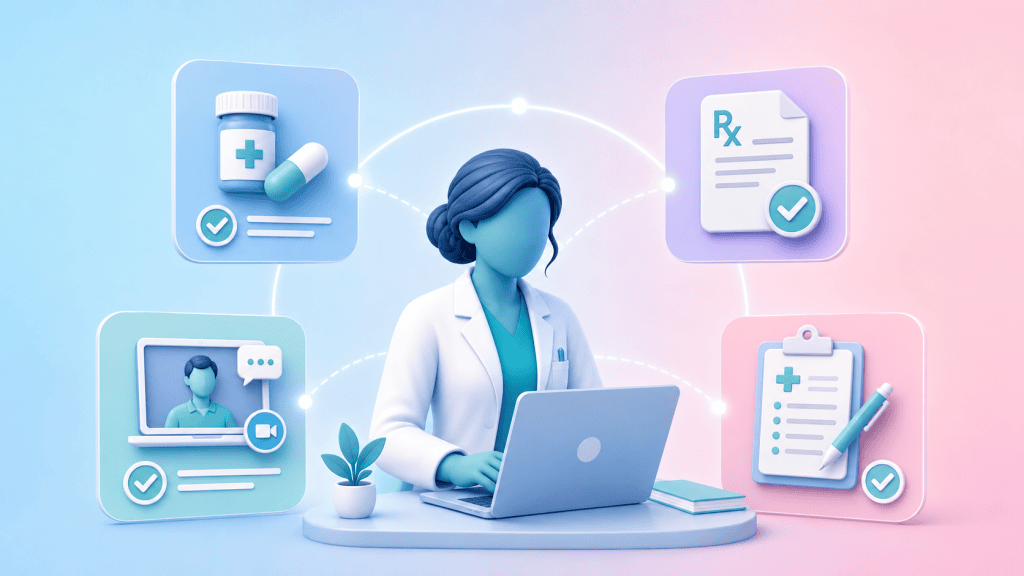
A remote pharmacist provides pharmacy support from a distance using secure clinical systems, telephone, video or approved digital communication tools. In primary care, a remote clinical pharmacist often works closely with GPs, practice teams, PCNs, pharmacy technicians and patients.
Key remote pharmacist responsibilities include:
- Conducting medication reviews and Structured Medication Reviews
- Supporting repeat prescribing and prescription queries
- Reviewing medicines for safety, effectiveness and suitability
- Providing patient consultations by telephone or video
- Supporting long-term condition medicines management
- Documenting activity within GP clinical systems
- Working with GPs, nurses and wider MDT teams
- Supporting audits, QOF-related activity and medicines safety work
Remote pharmacists ensure patients get the same level of expert care and safety as they would in person, while offering new levels of flexibility and access for modern NHS primary care.
How Remote Pharmacy Works in Primary Care
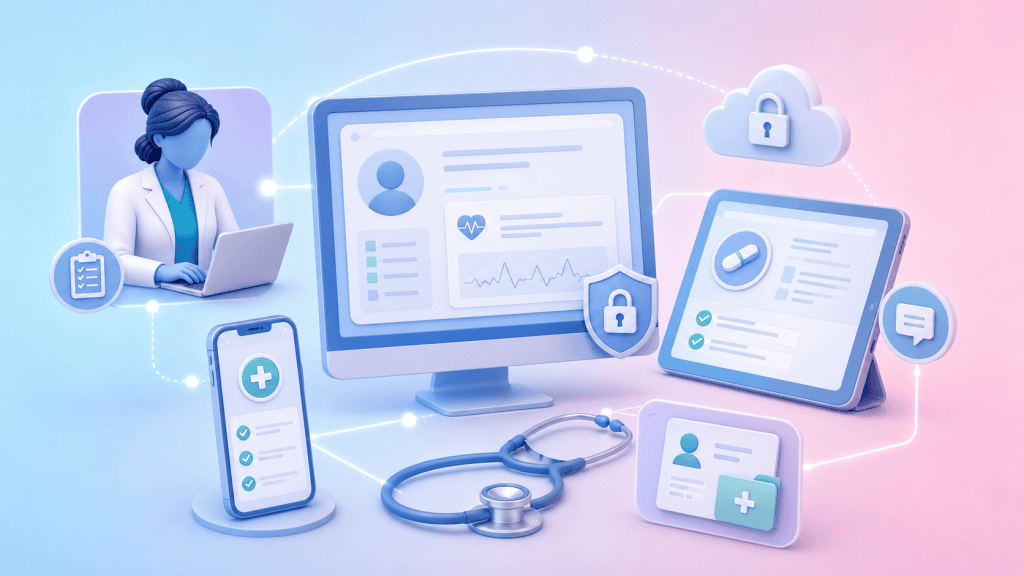
In the remote pharmacist NHS model, pharmacists use secure digital access to support patients and clinical teams from outside the practice building. This may include access to systems such as EMIS or SystmOne, agreed communication routes, task workflows and clear escalation processes.
Remote pharmacy support may involve:
- Telephone or video consultations with patients
- Digital review of medication records
- Repeat prescribing support
- Medicines reconciliation after discharge
- Clinical messaging with GP practice teams
- Documentation within patient records
- Escalation to GPs or other clinicians where needed
Remote pharmacy should not be treated as separate from the practice team. It works best when the pharmacist is integrated into normal prescribing, review and communication workflows.
Governance and Safety in Remote Pharmacy
Remote pharmacy can be safe and effective, but only when the right governance is in place. Providing pharmacy services at a distance carries specific risks, including communication gaps, digital access issues, safeguarding concerns and unclear responsibility for follow-up.
A safe model should include:
- Secure access to clinical systems
- Clear patient identification processes
- Defined scope of practice
- Documented escalation routes
- Information governance and data security controls
- Safeguarding processes
- Clear supervision and clinical oversight
- Agreed processes for when face-to-face review is needed
Remote pharmacists should support clinical decision-making within their competence and service scope. Where a case is complex, urgent or outside agreed pathways, it should be escalated appropriately.
Key Benefits of Remote Pharmacists

Remote pharmacy services can help GP practices and PCNs manage demand, improve resilience and access clinical pharmacy expertise more flexibly.
Key benefits include:
- Faster access to clinical pharmacy support
- Flexible capacity during recruitment gaps or staff absence
- Support across multiple practices within a PCN
- Improved continuity for medication reviews and prescribing queries
- Reduced pressure on GPs and on-site teams
- Better use of clinical pharmacists in medicines optimisation
- Support for remote, hybrid and digitally enabled care models
The value of remote pharmacy is not just location flexibility. The real benefit comes when remote pharmacists are embedded into safe, structured workflows.
The Role of Remote Pharmacists in NHS Workforce Delivery
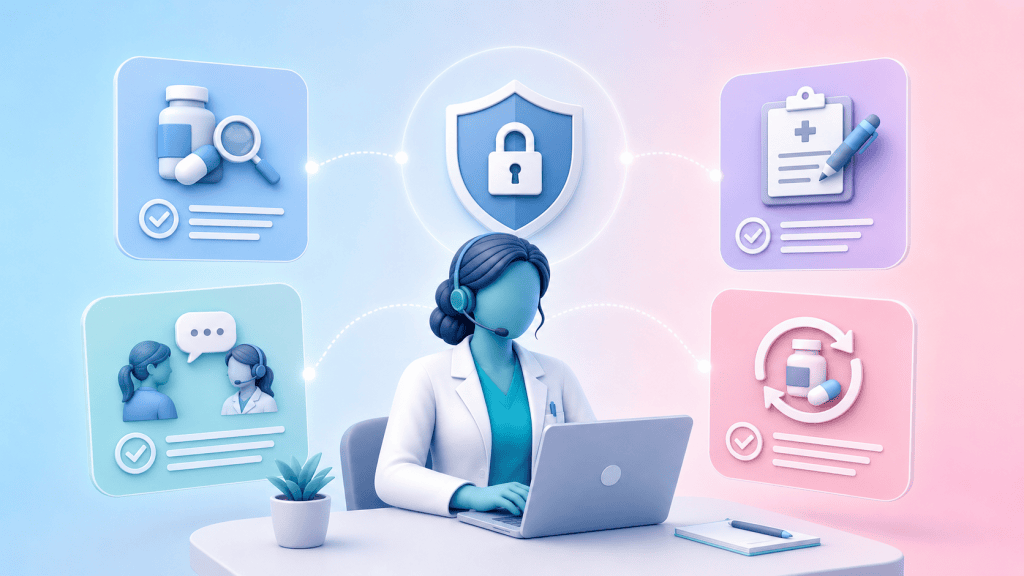
Remote pharmacists support primary care workforce delivery by adding clinical pharmacy capacity without increasing on-site staffing pressure. This can be particularly useful for PCNs managing recruitment challenges, service backlogs or demand across multiple practices.
They can support:
- Medication review backlogs
- Repeat prescribing queries
- Long-term condition medicines support
- Medicines optimisation projects
- Care home or housebound patient reviews where appropriate
- Short-term workforce gaps
- Multi-practice PCN delivery models
Remote pharmacy is not a shortcut for poor workforce planning. It works best when practices define the role clearly, give the pharmacist access to the right systems and build remote work into the wider clinical team model.
Core Prescribing Solutions Insight: What we see in Primary Care
In primary care, remote pharmacy works best when it is treated as a fully integrated clinical service, not a separate task list. The strongest models give pharmacists clear access, defined responsibilities, proper escalation routes and close communication with practice teams. Without that structure, remote support can become fragmented and create more follow-up work than it saves.
Expert insight from Adeem Azhar, qualified Clinical Pharmacist and CEO
“Remote pharmacy can give GP practices and PCNs valuable clinical capacity, but only when it is properly integrated into the wider care model. The key is not simply having a pharmacist working remotely. It is making sure they have the right access, governance, communication routes and clinical oversight to deliver safe, consistent support.”
Adeem Azhar, MPharm, IPres
Co-Founder and Chief Executive Officer – Core Prescribing Solutions
Qualified Clinical Pharmacist
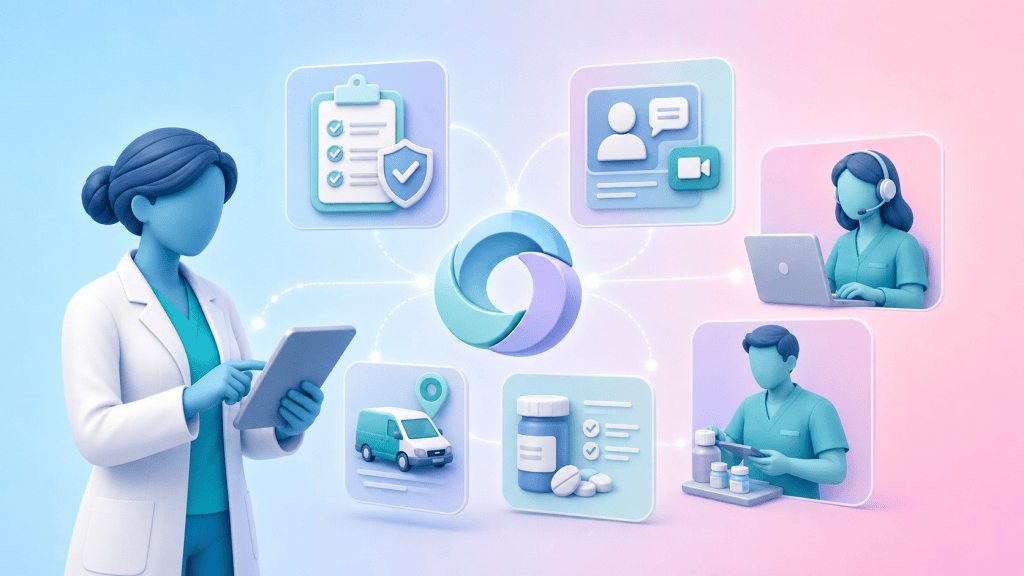
How We Support Remote Pharmacy Delivery
At Core Prescribing Solutions, we help GP practices and PCNs access remote pharmacist support through safe, structured clinical workflows.
Our team can support with:
- Remote medication reviews, prescribing queries and patient follow-up
- Medicines optimisation across repeat prescribing and long-term condition pathways
- Pharmacy technician support for prescribing workflows and task management
- Clear documentation, governance and escalation into the wider practice team
This helps remote pharmacy work as part of normal primary care delivery, not as a disconnected task list.
Frequently Asked Questions