Skip to main content

 01274 442076


Top Healthcare Technology Trends for 2026
|
Getting your Trinity Audio player ready...
|
Updated: August 2026
- Why healthcare technology matters in 2026
- AI in healthcare is moving into real-world use
- Remote monitoring and virtual wards are scaling
- Interoperability and connected health data are becoming essential
- Cybersecurity is now a patient safety priority
- Automation is reducing administrative workload
- Healthcare is becoming more predictive and proactive
- Digital tools are becoming part of workforce strategy
- How Core Prescribing Solutions supports technology-enabled primary care
Healthcare technology in 2026 is less about chasing new tools and more about implementing digital systems safely, consistently and at scale. Across the NHS, the focus is shifting towards practical delivery, with AI, remote care, connected data, automation and cybersecurity all supporting better access, workforce capacity and patient care.
Key takeaways
- Healthcare technology trends 2026 are focused on practical adoption, governance and measurable service impact.
- AI, remote monitoring and connected data are becoming part of everyday healthcare delivery, not just pilot projects.
- Interoperability, cybersecurity and workforce alignment are now central to safe digital healthcare transformation.
Why healthcare technology matters in 2026
The direction of healthcare technology in 2026 reflects the wider NHS shift from hospital to community, analogue to digital and sickness to prevention. For healthcare organisations, the challenge is no longer whether digital tools have potential. The challenge is whether they can be implemented safely inside real clinical workflows.
This means technology must support:
- Better access to care
- Safer clinical decision-making
- Reduced administrative workload
- Stronger continuity between services
- More proactive long-term condition management
- Better use of workforce capacity
For primary care, PCNs and GP practices, the most valuable technology is not always the most advanced. It is the technology that fits the service model, improves patient care and reduces avoidable pressure on clinical teams.
AI in healthcare is moving into real-world use
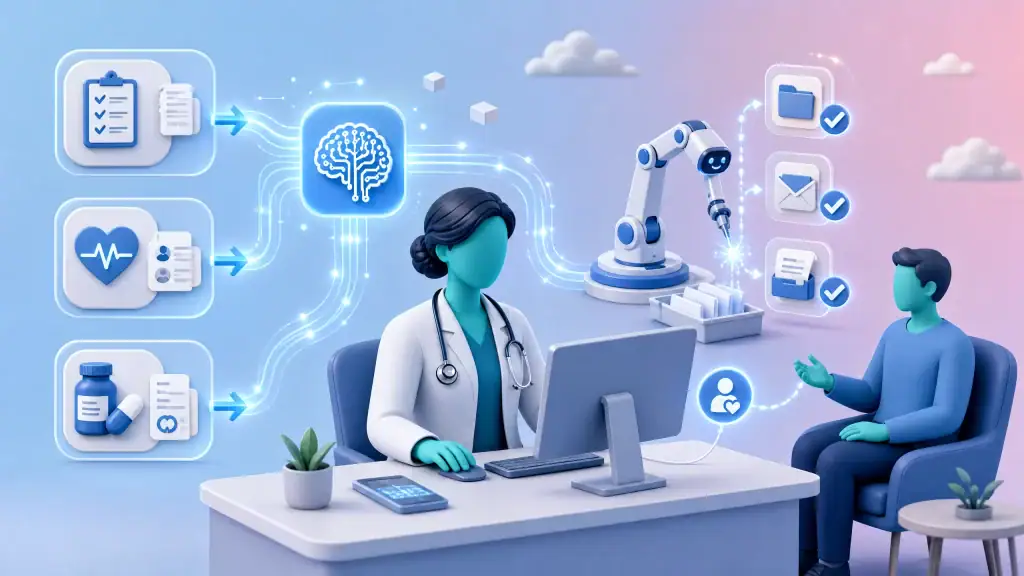
AI is becoming part of day-to-day healthcare delivery, particularly in diagnostics, triage, administration and clinical decision support. In 2026, the focus is shifting away from experimentation and towards safe, governed use.
In practice, AI can support:
- Image analysis and diagnostic support
- Clinical note-taking and documentation
- Triage and risk identification
- Workflow automation
- Population health analysis
- Administrative task reduction
The key issue is governance. AI should support clinical judgement, not replace it. Healthcare organisations need clear accountability, evidence of safety, data protection controls and defined processes for how AI outputs are reviewed and acted on.
For primary care, the biggest near-term value may be in reducing administrative pressure, improving risk identification and supporting more consistent workflows.
Related Read: Telehealths role in enhancing medication adherance
Remote monitoring and virtual wards are scaling
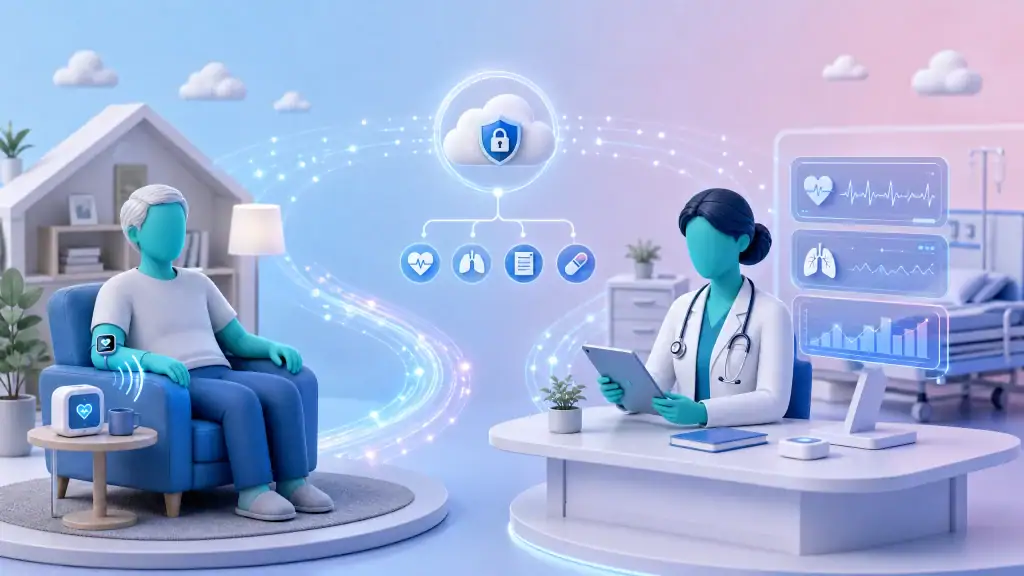
Remote monitoring and virtual wards are now a core part of NHS digital care. These models allow patients to be monitored at home while remaining under clinical oversight, helping services manage capacity Remote monitoring and virtual wards are now a core part of NHS digital care. These models allow patients to be monitored at home while remaining under clinical oversight, helping services manage capacity while supporting safer care outside hospital.
This is particularly relevant for:
- Frailty
- Respiratory conditions
- Heart failure
- Post-discharge monitoring
- Long-term condition management
- Patients who need regular observation but not always face-to-face care
The value comes from combining digital monitoring with structured clinical review. Devices and platforms can collect data, but clinicians still need clear escalation routes, review processes and responsibility for acting on changes.
For primary care and PCNs, remote monitoring also supports a more proactive model of care, especially when linked to pharmacist-led reviews, long-term condition clinics and medicines optimisation.
Interoperability and connected health data are becoming essential
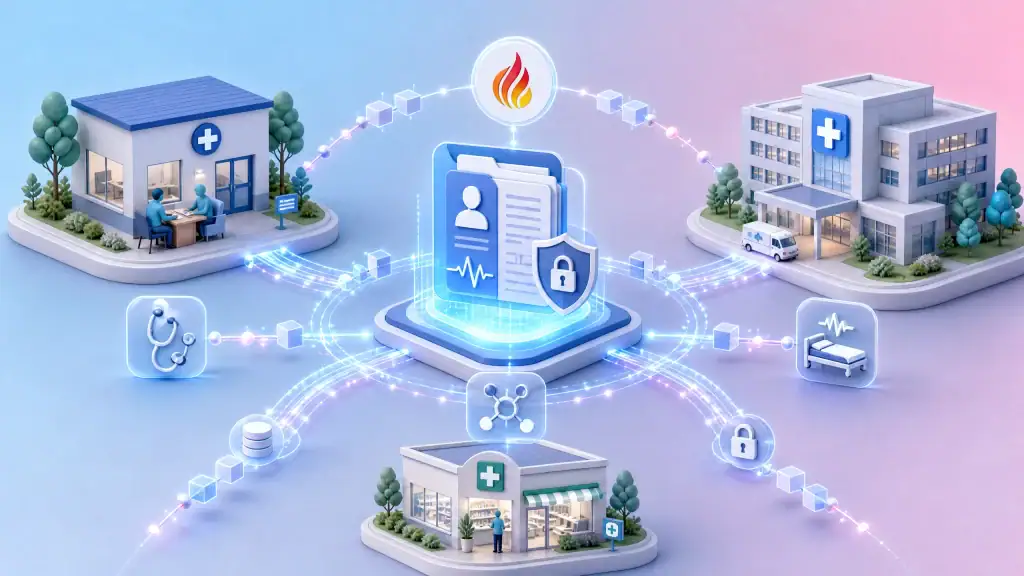
Healthcare systems need to work together. In 2026, interoperability is becoming a core requirement because fragmented records slow down care, increase duplication and create safety risks.
Interoperability supports:
- Shared access to relevant patient information
- Better communication between GP, hospital, community and pharmacy services
- Reduced manual transcription
- Faster clinical decision-making
- More consistent medicines information
- Safer care transitions
Standards such as FHIR help systems exchange healthcare data more consistently. For patients, the benefit is more joined-up care. For clinicians, the benefit is having the right information available at the right point in the pathway.
In primary care, this is especially important for prescribing, medicines reconciliation, hospital discharge information and long-term condition management.
Cybersecurity is now a patient safety priority
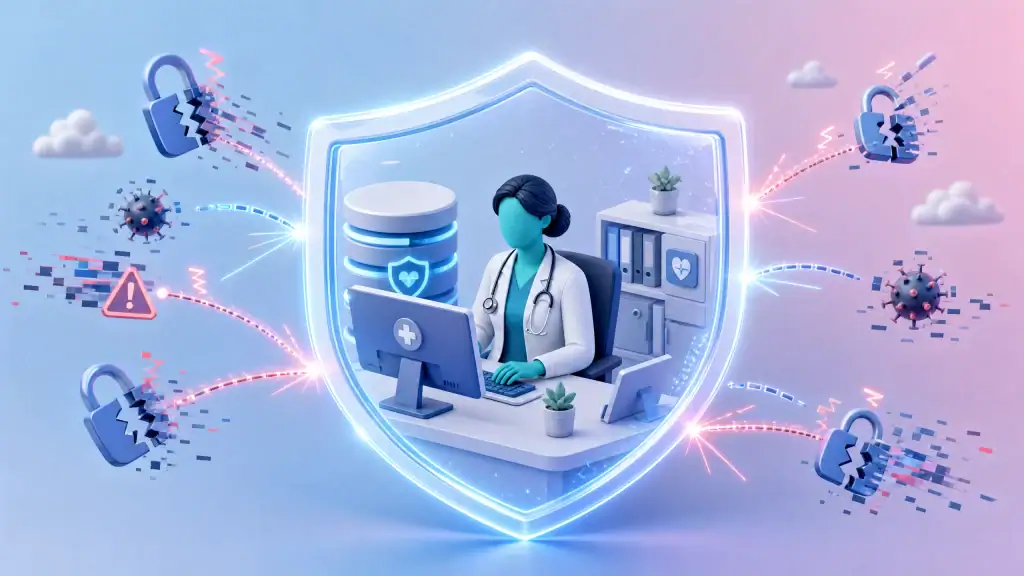
As healthcare becomes more digital, cybersecurity is no longer just an IT issue. It is a patient safety and service continuity issue.
Cyber incidents can affect:
- Access to patient records
- Appointment systems
- Prescribing workflows
- Remote monitoring platforms
- Clinical communication
- Diagnostic and reporting systems
Healthcare organisations need digital resilience, not just security tools. This means having tested processes for downtime, incident response, data protection, supplier risk and continuity of care if systems become unavailable.
For primary care, even short periods of system disruption can affect prescribing, patient queries and clinical decision-making. Strong cybersecurity is now part of safe service delivery.
Automation is reducing administrative workload
Automation is becoming one of the most practical forms of healthcare technology because it targets everyday workload.
In primary care, automation can support:
- Routine documentation
- Coding and admin tasks
- Appointment workflows
- Repeat prescribing processes
- Patient recalls
- Task routing
- Reporting and audit activity
The aim is not to remove clinical oversight. The aim is to reduce manual, repetitive work so clinical teams can spend more time on patient care, review and decision-making.
Automation works best when it is built around existing workflows. If it adds extra steps or creates unclear ownership, it can increase pressure rather than reduce it.
Healthcare is becoming more predictive and proactive
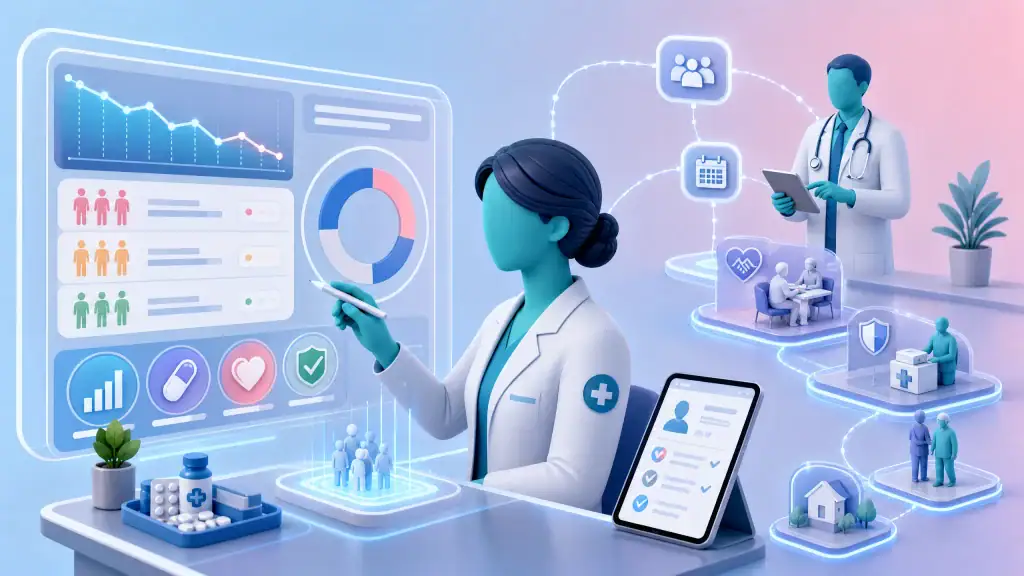
Healthcare technology is supporting a shift from reactive care to earlier intervention. This is closely linked to population health, risk stratification and better use of patient data.
Predictive and proactive care can support:
- Earlier identification of patients at risk
- Better long-term condition management
- More targeted medication reviews
- Prevention of avoidable deterioration
- More efficient use of clinical capacity
- Improved planning across PCNs and systems
For primary care, this is especially important because demand is rising and workforce capacity is limited. Digital tools can help identify where clinical input is most needed, but the model still needs human oversight, safe prioritisation and clear follow-up.
Digital tools are becoming part of workforce strategy
Healthcare technology is no longer separate from workforce planning. In 2026, digital tools need to help teams work differently, not simply add another system to manage.
This matters for:
- GP workload
- Clinical pharmacist capacity
- Pharmacy technician workflows
- PCN service delivery
- Remote and hybrid clinical models
- Administrative pressure
- Patient access
The strongest digital models are designed around real service delivery. Technology should support how clinicians, pharmacists, pharmacy technicians and wider teams already work, while making processes safer and more consistent.
For healthcare organisations, the priority is not adopting every new healthcare technology tool. It is choosing the right tools, embedding them into governed workflows and measuring whether they improve care.
Core Prescribing Solutions Insight: What we see in primary care
In primary care, digital tools only work when they fit the pressure points teams are already dealing with, such as repeat prescribing, medicines optimisation, long-term condition reviews, patient follow-up and administrative workload. The issue is rarely the technology alone. It is whether there is a clear workflow, defined responsibility and enough clinical oversight to turn the tool into safer, more consistent care.
Expert insight from Adeem Azhar, qualified Clinical Pharmacist and CEO
“Healthcare technology has the greatest impact when it supports real clinical delivery rather than sitting outside normal workflows. In primary care, AI, automation and remote tools must be governed, safe and practical for the teams using them. The goal is not technology for its own sake. It is better access, safer decisions and more sustainable care.”
Adeem Azhar, MPharm, IPres
Co-Founder and Chief Executive Officer – Core Prescribing Solutions
Qualified Clinical Pharmacist
How Core Prescribing Solutions supports technology-enabled primary care
At Core Prescribing Solutions, we help GP practices and PCNs use technology in ways that support safer medicines management, clearer workflows and more practical clinical delivery.
Our work focuses on the areas where digital tools directly affect primary care workload and patient care, including:
- Remote and hybrid medication reviews led by clinical pharmacists
- Pharmacy technician support for repeat prescribing, recalls, medicines reconciliation and workflow tasks
- Medicines optimisation processes that use patient records, prescribing data and review templates consistently
- Clear documentation and escalation when digital workflows identify clinical risk
- Support for practices introducing technology without creating unclear ownership or extra manual work
This helps technology become part of normal primary care delivery, not another disconnected system for teams to manage.
Frequently Asked Questions